
North Stradbroke Island Guide
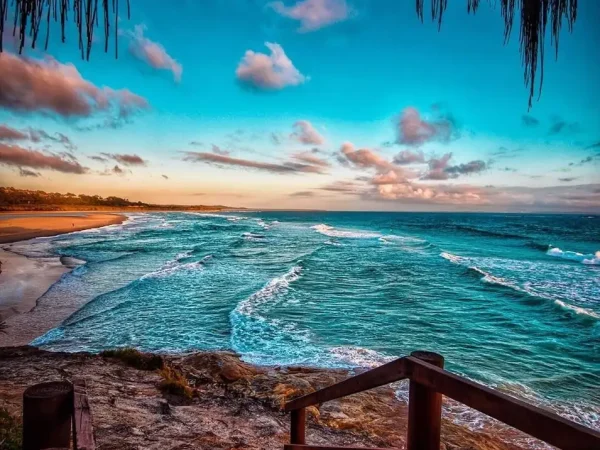
North Stradbroke Island (Minjerribah), a sand island that just happens to be the world’s second-largest sand island, sits off the coast of Brisbane, with its miles of beaches, a sprinkling of freshwater lakes, and some pretty scenic coastal walks to get the heart rate up, not to mention a vibrant bunch of wildlife. Its three tiny townships – Dunwich, Amity Point and Point Lookout – are separated by miles of bushland and rugged coastline, which is just what the doctor ordered to give the island a bit of breathing space.
- Full Day
- 10 hours

- $ 149,00 AUD
- $ 129,00 AUD

Laid-Back Island Escape
As soon as you leave Dunwich, the island opens right up: native forest, freshwater lakes, headlands, and loads of sandy beaches; it’s all just there waiting to be explored. Point Lookout is where you’ll find beaches, walking tracks and wildlife all in close proximity; Amity Point is a bit more low-key, and it’s set right on the more tranquil waters of Moreton Bay.
Over on the eastern side, the Coral Sea meets the surf beaches — conditions are generally pretty rough. On the other side of the bay, the waters are usually a lot calmer. It makes for a great spot to get out into the water, whether it’s fishing, kayaking, bushwalking and surfing, camping or taking your 4WD on an adventure, though you will need a permit to drive in designated beach and recreation areas.
Accommodation options on the island tend to be on the smaller side – so think campgrounds, holiday houses and apartments and smaller properties rather than some of the big, fancy resorts you might find elsewhere. If you’re only there for a short visit, Point Lookout is probably your best bet – and it makes perfect sense if you want to focus on the coast and walking trails. Head to Amity Point if you want a more laid-back bayside vibe.

Point Lookout & Gorge Walk
Point Lookout (Mulumba) rises above the Coral Sea, and the North Gorge Walk is the reason to linger. The 1.2-kilometre self-guided trail skirts the headland above The Gorge, packing a remarkable amount of coastline into a short walk.
Keep an eye on the water. Dolphins, marine turtles and manta rays may appear below, while kangaroos and wallabies are often seen around the headland.
From roughly June to November, attention shifts further offshore as humpback whales migrate along the coast. North Gorge is the island’s standout land-based whale-watching spot: high above the water, with long, uninterrupted ocean views and no boat trip required.
Frenchmans Beach lies nearby, making it easy to add some beach time after the walk. Beneath the surface, local dive sites are known for manta rays, marine turtles and Grey Nurse Sharks, with encounters varying by season and conditions.

Indigenous Heritage
Minjerribah is Quandamooka Country, home to a living culture rather than simply a collection of historic sites. The Quandamooka People — the Nunukul, Nughi and Goenpul Peoples — have maintained connections with these lands and waters for thousands of years.
In 2011, the Quandamooka People were recognised as native title holders over most of Minjerribah. Parts of the island now fall within Naree Budjong Djara National Park, jointly managed by the Quandamooka People and the Queensland Government.
The traditional names encountered across the island carry that connection into the present: North Stradbroke Island is Minjerribah, Point Lookout is Mulumba, and Brown Lake is Bummiera. Quandamooka-led experiences and cultural spaces in Dunwich bring further context through art, storytelling and traditional knowledge.

Surf & Freshwater Lakes
Near Point Lookout, Cylinder Beach is an easy choice for swimming and surfing. The more exposed Coral Sea beaches can deliver stronger surf conditions, but conditions change quickly; check patrol and surf information rather than judging safety from the sand.
Inland, the landscape changes completely at Bummiera (Brown Lake). Tea-coloured freshwater sits within native vegetation, and both the lake and its catchment hold cultural significance for the Quandamooka People.
Blue Lake (Karboora) is another important freshwater environment, but not simply another swimming stop. Access arrangements can change to protect its ecological and cultural values, so check current Queensland Parks advice before setting out.
One of Minjerribah’s great advantages is how little driving it takes to get between these landscapes. Morning surf can be followed by forest and freshwater without losing half the day to the road.

Wildlife Encounters
Wildlife encounters on Minjerribah often turn up without much searching. Kangaroos and wallabies are regulars around Point Lookout, koalas live among the island’s eucalypts, and dolphins frequent the coastline and waters around Amity Point.
The North Gorge walking trail is just as productive for looking seaward. Marine turtles, dolphins and manta rays may pass beneath the headland; in winter and spring, humpback whale watching becomes the headline act. Divers have another perspective, with Grey Nurse Sharks, manta rays and turtles among the species found around local dive sites.
Early morning around Point Lookout is worth the effort, particularly where bushland and ocean habitat meet within a small area. Wildlife is still wildlife, though: sightings are never guaranteed, animals should never be fed, and distance matters.
FAQ
Is North Stradbroke Island worth visiting?
Yeah, it’s worth a visit – you get surf beaches, freshwater lakes and the North Gorge Walk, Quandamooka culture and all sorts of wildlife all crammed into one tiny island called Minjerribah. Staying a bit longer lets you see more than just Point Lookout.
How do you get to North Stradbroke Island?
You can get to the island by water taxi or vehicle ferry from Toondah Harbour at Cleveland to Dunwich over Moreton Bay. Got a car? Then you gotta take the vehicle ferry; make sure you check the times & book ahead, and check about beach driving permits as well; don’t want to get into any trouble.
What is the best time to see whales from Point Lookout?
Humpback whales come through Minjerribah between June & November, generally speaking. The North Gorge Walk whale-watching viewpoint is a good spot to see whales, offering a great view across the Coral Sea, but I have to say sightings aren’t guaranteed.
Can you see koalas, kangaroos and marine wildlife?
You bet – kangaroos & wallabies are spotted pretty regularly around Point Lookout, while koalas are also around if you know where to look in the eucalypt trees. You might see dolphins, sea turtles & manta rays from the beach, while in the local dive spots you can catch a glimpse of a Grey Nurse Shark.
How many days do you need on North Stradbroke Island?
A day trip could cover Point Lookout & the Gorge Walk and maybe one or two other spots, but it’s pretty hectic. 2 or 3 days is a much more relaxed way to do it; you can check out Cylinder Beach, Frenchman’s Beach, Brown Lake and Amity Point, learn a bit about the Quandamooka culture and just take your time watching the wildlife.
Popular Places to Visit

Experience The Best Of Brisbane
The river is the natural place to start. Ferries and bridges connect the two banks, while riverside walking paths lead between gardens, restaurants and city views.
South Bank Parklands sits directly opposite the Brisbane CBD, bringing together around 15 hectares of parkland, Streets Beach and the Queensland Cultural Centre. Across the river, Queen Street Mall and the 18-hectare City Botanic Gardens offer a mix of busy city streets and quieter waterfront spaces.
Kangaroo Point has some of the best views of the Brisbane skyline and Story Bridge. Nearby, Howard Smith Wharves brings dining and riverside spaces beneath the bridge. New Farm, Fortitude Valley and West End add another mix of parkland, nightlife, leafy streets and charming cafés.

See Brisbane Beyond The City Centre
West of the CBD, Mt Coot-tha Reserve is the place for bushwalking trails, outdoor adventures and panoramic city views, with the 56-hectare Brisbane Botanic Gardens Mt Coot-tha adding another reason to spend time on this side of the city.
Head east and Brisbane meets the bay. Wynnum and Manly have a quieter, more laid-back waterfront feel than the surf coast to the north and south. Further out, Minjerribah (North Stradbroke Island) and Mulgumpin (Moreton Island) bring beaches, walking trails, wildlife and wilder coastal scenery.
Travel inland instead and the Scenic Rim brings mountains, national parks and access to World Heritage-listed rainforests, putting very different landscapes within easy reach of the city.

Food, Art And Culture In Brisbane
South Bank is Brisbane’s main cultural hub. The Queensland Cultural Centre brings the Queensland Art Gallery, Gallery of Modern Art, Queensland Museum, State Library and Queensland Performing Arts Centre together in one convenient riverside cultural precinct. GOMA is also home to the Australian Cinémathèque, where film screenings sit alongside the galleries and exhibitions.
Food and nightlife are more spread out. South Bank works well for riverside dining, while Fortitude Valley mixes restaurants, bars and live music. New Farm has a more relaxed neighbourhood feel built around cafes, and West End is known for independent eateries and a broad mix of international cuisines. Whether the plan is a riverside meal, a night out or a laid-back Brisbane brunch, there are plenty of options.
Brisbane is compact enough to mix art, culture, food and markets into the same day of sightseeing. There is little reason to separate them into dedicated days when the city’s main inner-city precincts fit together so easily.

Make Time For Brisbane
2 to 4 days in Brisbane is a good amount of time for a first visit. Two days gives you enough time to explore the river, South Bank Parklands, the city centre and surrounding neighbourhoods. A third leaves room for Mt Coot-tha or the bayside, while four days makes it easier to add an island trip, the coast or hinterland.
Summer is the hottest and most humid time of year, autumn is milder, winter brings cooler days and evenings, and spring in Brisbane warms up as the jacarandas begin to flower.
You don’t really need a car around central Brisbane. Trains, buses and ferries cover much of the city, while South Bank, the city centre and nearby neighbourhoods are easy to explore on foot. A car becomes more useful for day trips from Brisbane to the coast, hills and surrounding regions.
Accommodation ranges from luxury riverside hotels and central city stays to boutique hotels and apartments in the inner suburbs. That leaves plenty of choice between nightlife, river views and a quieter base.