
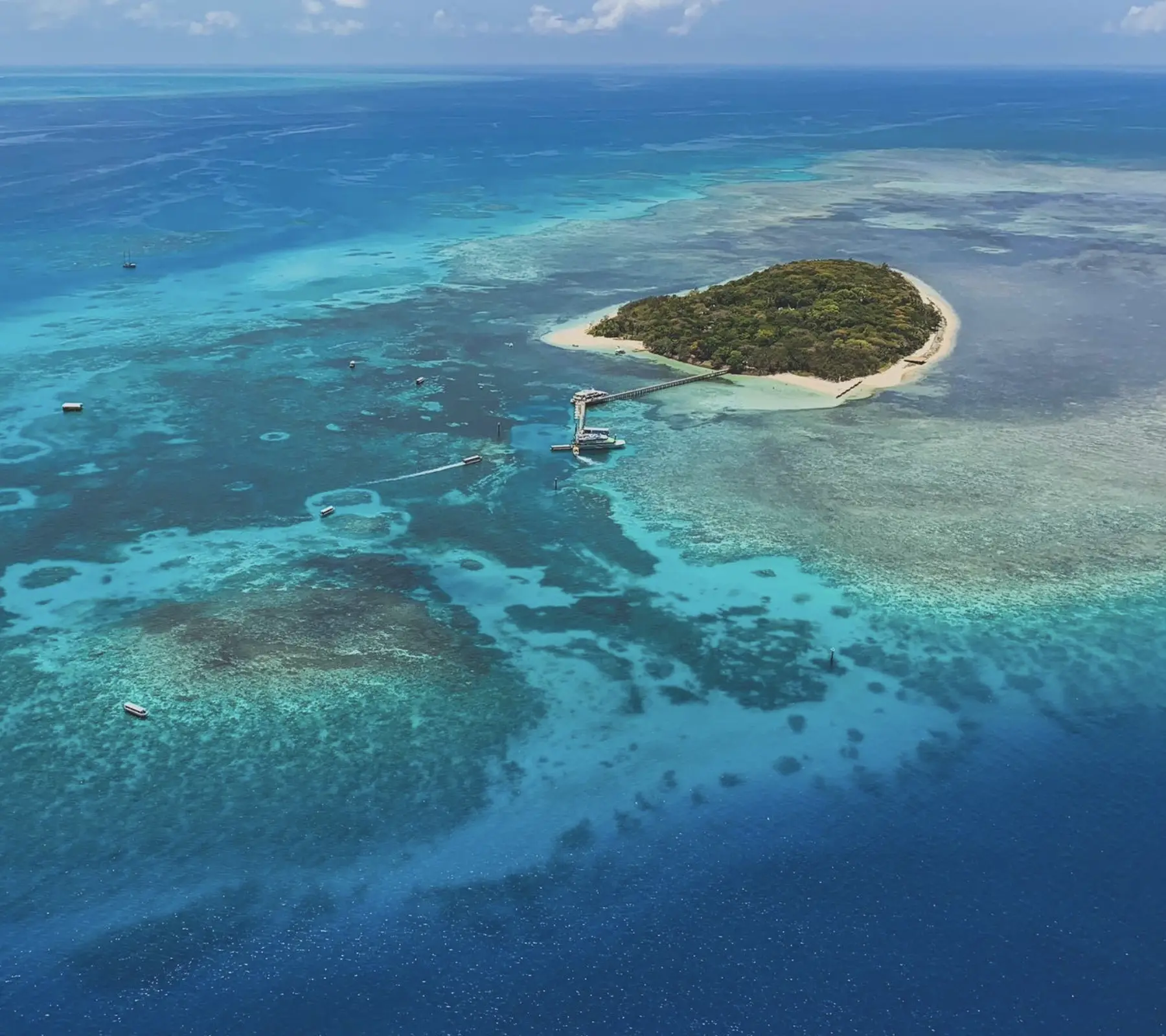
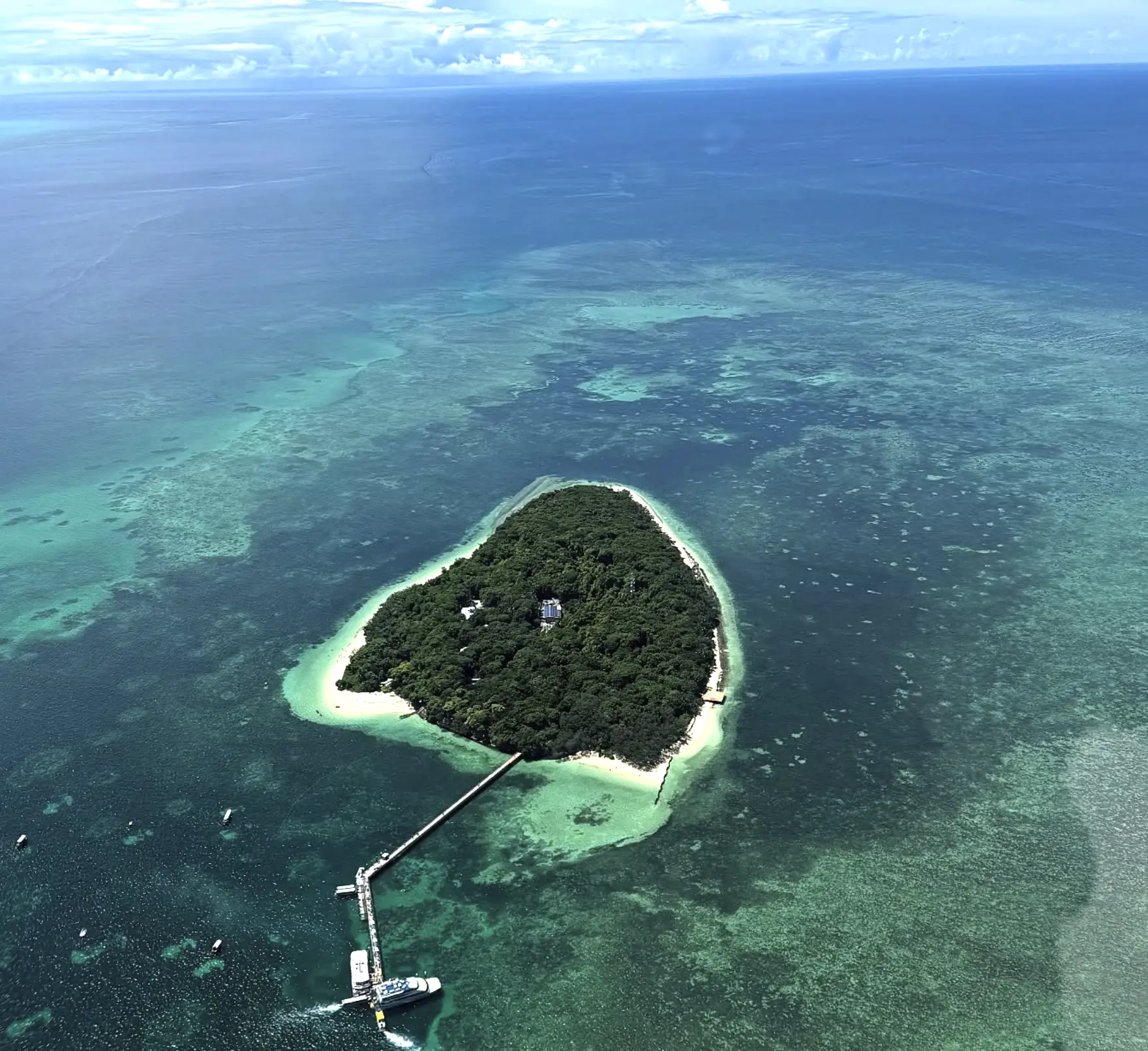
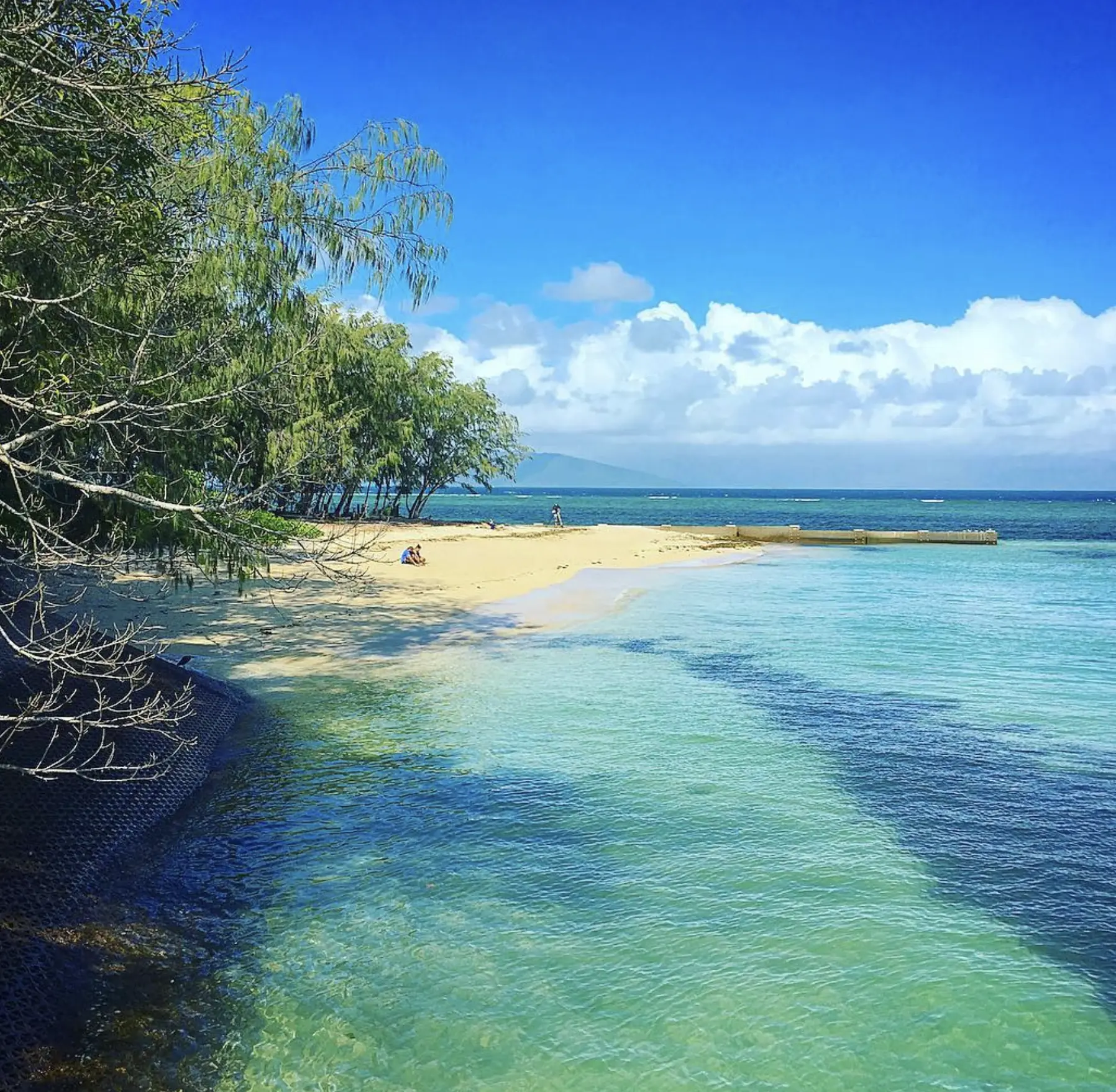
Most people choose Green Island because they want to experience the Great Barrier Reef without committing to a full-day offshore cruise. Just 27 km from Cairns and around 45 minutes by high-speed catamaran, it provides one of the easiest introductions to the Reef, combining sandy beaches, tropical rainforest and accessible snorkelling in a single destination.
It isn’t the right choice for everyone, though. If your priority is the healthiest coral and the best snorkelling conditions, I’d spend the extra money on an Outer Reef cruise. Green Island is at its best as a balanced island day trip where snorkelling is only one part of the experience. Knowing that before you book is the easiest way to avoid disappointment.
Is Green Island Worth Visiting?
For most first-time visitors, yes.
I’d recommend the island to families and couples, cruise passengers, beginner snorkellers and anyone looking for a relaxed reef experience close to Cairns. Its greatest strength is variety: reef, beach, rainforest and wildlife are all within easy walking distance.
Many travellers make the mistake of comparing it with the best Outer Reef dive sites, but they are designed for completely different experiences. Green Island should be judged as an accessible island with reef activities, not as a benchmark for coral quality.
If I had just one day in Cairns and wanted an easy, low-stress reef trip, this would be one of my first choices. If spectacular coral gardens or multiple snorkelling sites were my priority, I’d head offshore instead.
What Makes This Island Unique?
Many visitors don’t realise Green Island is a coral cay rather than a continental island.
Unlike Fitzroy Island, which forms part of the mainland mountain range, Green Island developed from coral sand and reef rubble over thousands of years. Today it covers just 12 hectares, yet supports dense tropical rainforest surrounded by a fringing reef.
That combination is surprisingly uncommon. Few coral cays on the Great Barrier Reef support mature tropical rainforest, allowing you to snorkel in the morning, walk beneath the rainforest canopy after lunch and relax on a sandy island beach before returning to Cairns.
The rainforest isn’t the main attraction. The boardwalk is only 1.3 km return and usually takes 20–30 minutes to complete. If you’re expecting something comparable to the Daintree, you’ll probably be disappointed. It’s better viewed as a shaded break between water activities than a destination in its own right.
That’s where the island stands out. No individual attraction is exceptional on its own, but together they create one of the Reef’s most varied and accessible day trips.
Things to do on the Island
Many travellers assume these destinations compete directly, but they actually suit different types of Reef visitors.
| Destination | Best For | Travel Time | Biggest Strength | Biggest Compromise |
|---|---|---|---|---|
| Green Island | Families, beginners and mixed groups | About 45 minutes | Sandy beaches, easy access and variety | Can be busy; average shore snorkelling |
| Fitzroy Island | Walkers and independent travellers | About 45–50 minutes | Hiking and natural scenery | Coral-rubble beaches and steeper terrain |
| Outer Reef | Serious snorkellers and divers | About 90 minutes–2 hours | Better coral and marine life | Higher cost and a longer day |
If beaches are your priority, I’d choose Green Island. Its softer sand and easier water entry make it the better option for families and less confident swimmers.
For hiking, Fitzroy Island is the clear winner. Walking to the Summit or Nudey Beach is far more rewarding than Green Island’s short, accessible tracks.
If coral is your only priority, I’d skip both islands and head to the Outer Reef. The extra 45–75 minutes of travel usually rewards you with healthier coral, greater fish diversity and more extensive snorkelling.
Choose the destination that matches your personal travel priorities, not the one with the biggest reputation.

Is the Snorkelling Actually Good?
For many visitors, yes—but only if expectations are realistic.
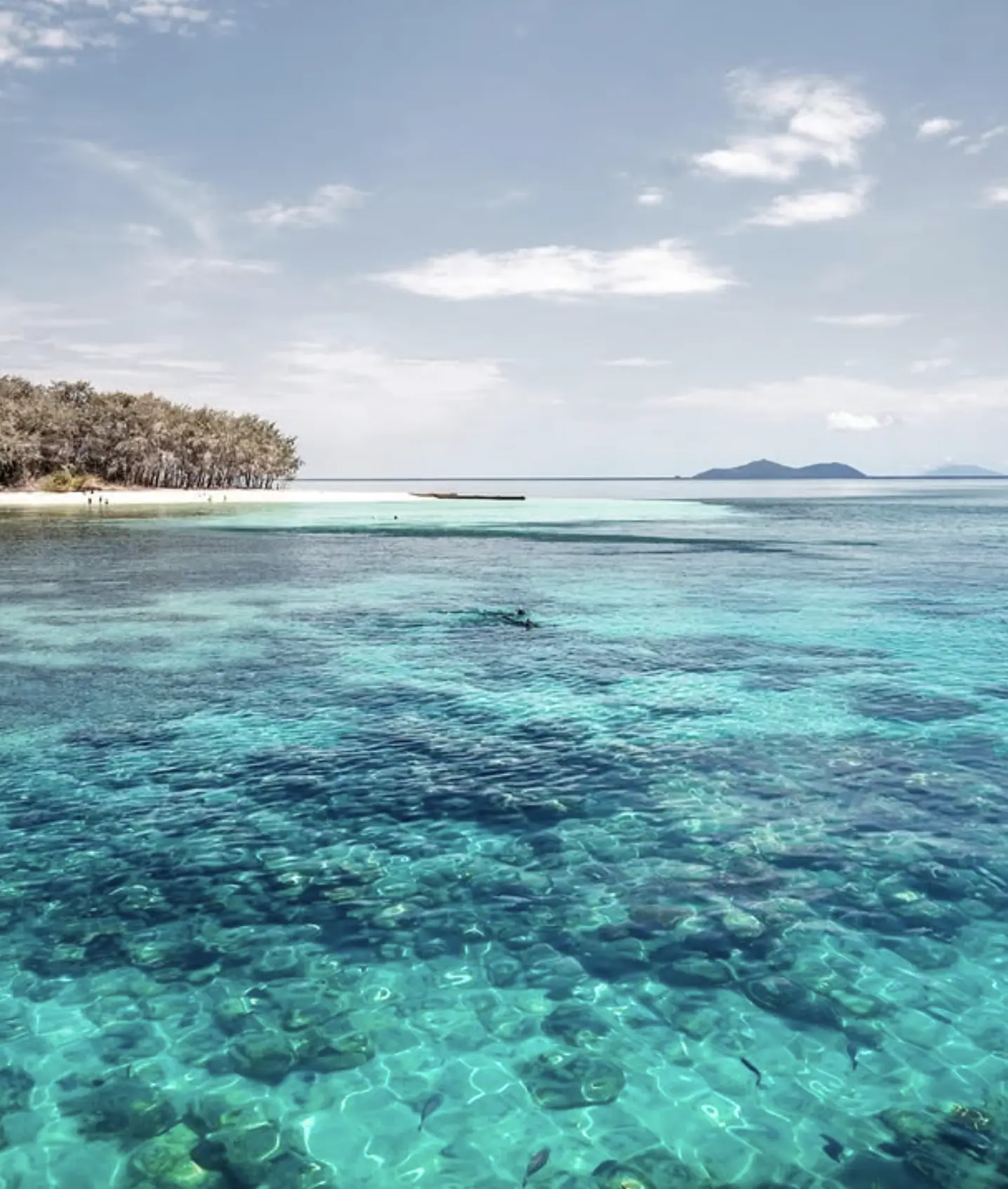
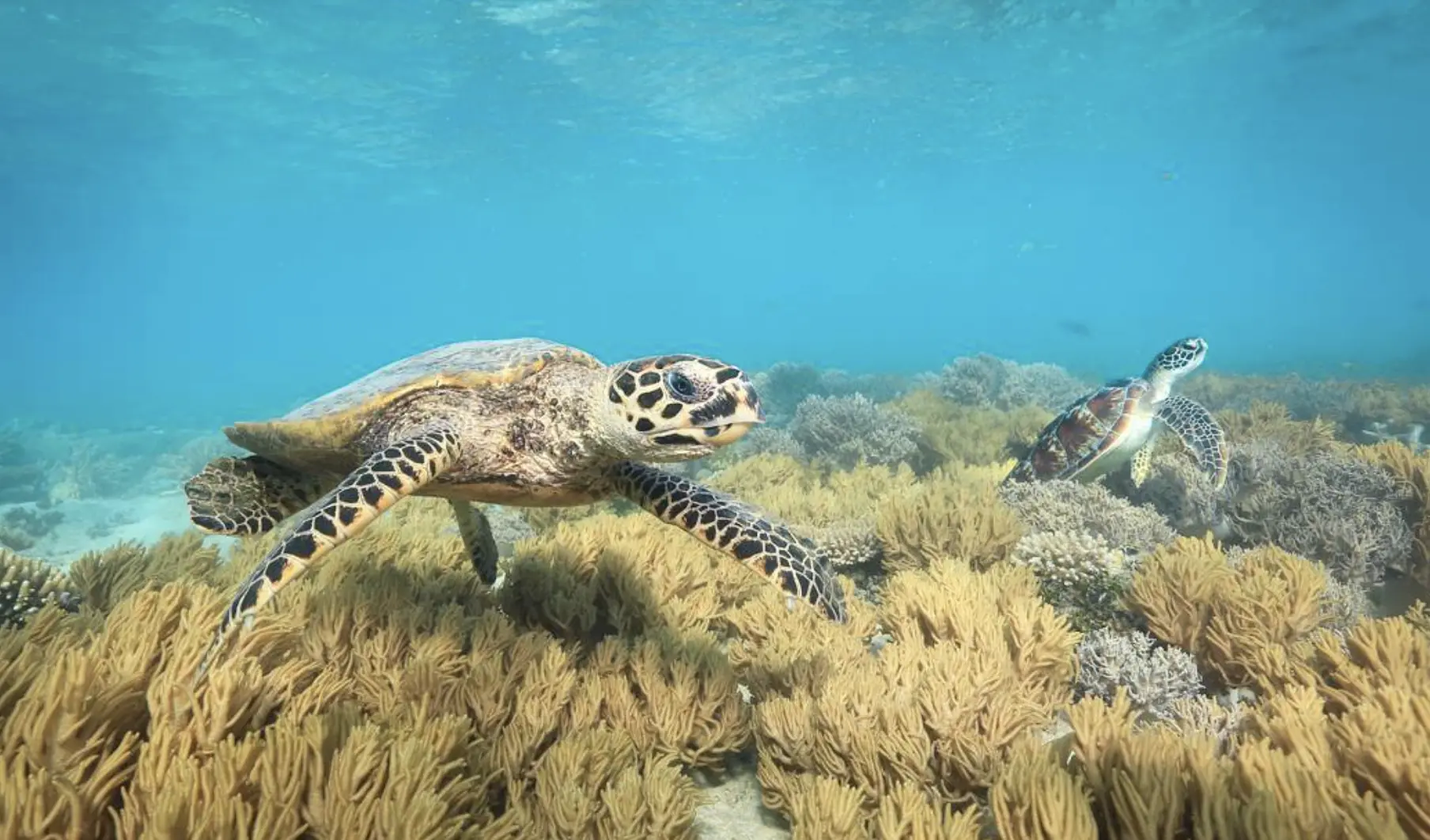
Beginners are often impressed by the colourful reef fish, giant clams and occasional turtles visible close to shore. More experienced snorkellers, particularly those who have visited offshore reefs, may find the coral less impressive. Both reactions are valid.
A common misconception is that the easiest beach entry also offers the best snorkelling. In reality, sandy swimming areas are designed for safe access rather than maximum coral coverage, so staying close to the beach can give a misleading impression of the reef.
Conditions are just as important as location. Low tide can leave coral areas too shallow to explore comfortably, while strong winds and recent rain often reduce visibility more than the season itself. A calm summer day can easily provide better snorkelling than a windy winter one.
If snorkelling is your main reason for visiting, I’d pay for a guided boat snorkel to reef areas about 1.5 km offshore. It’s one of the few upgrades that consistently delivers a noticeably better experience.
Best Things to Do
It’s easy to treat Green Island as a checklist, rushing from one activity to the next before catching the ferry. I’d do the opposite. The island is far more rewarding when you focus on two or three experiences instead of trying to fit everything into a single day.
Snorkelling
If you only choose one activity, make it shore snorkelling. Equipment hire and flotation devices for beginners make it accessible, and I’d aim to get into the water early before the beaches become busier. Finishing your snorkel first also leaves more flexibility if conditions change later in the day.
Glass-Bottom Boat
For non-swimmers, this is usually the best-value reef upgrade.
The tours last about 30 minutes and allow everyone, including young children and older travellers, to experience the reef together. You won’t see coral as closely as you would while snorkelling, but for visitors who aren’t confident in the water, a glass-bottom boat tour can be the more enjoyable choice.
Semi-Submarine
Despite the name, this isn’t a true submarine but a surface vessel with an underwater viewing chamber.
It’s another worthwhile option for non-swimmers, although underwater visibility depends entirely on sea conditions. If mobility is a concern, I’d check in advance whether boarding involves stairs.
Rainforest Walk
The short boardwalk works best as a break between reef activities rather than the day’s main attraction.
I’d normally walk it after snorkelling and before lunch, when the rainforest offers welcome shade from the midday sun.
Relaxing on the Beach
One of the easiest mistakes is forgetting to slow down.
I’d leave at least one hour for swimming and relaxing or simply enjoying the beach. Trying to squeeze every activity into one day often leaves people feeling rushed instead of appreciating the tropical island atmosphere.
Day Trip or Overnight Stay?
For around 90% of visitors, a full-day trip is the better choice.
The ferry takes about 45 minutes each way, so you’ll spend roughly 1.5 hours travelling. Choosing the earliest departure and latest return usually provides six to seven hours on the island—enough time for snorkelling, lunch, the rainforest walk and another activity without constantly watching the clock.
Trying to save money by booking a shorter visit often has the opposite effect. Once boarding, equipment collection, changing and return check-in are factored in, a half-day Green Island trip disappears surprisingly quickly.
If I only had three or four hours, I’d skip organised tours and focus on snorkelling, swimming and beach time.
Is Staying Overnight Worth It?
Only if you’re looking for a quieter island atmosphere.
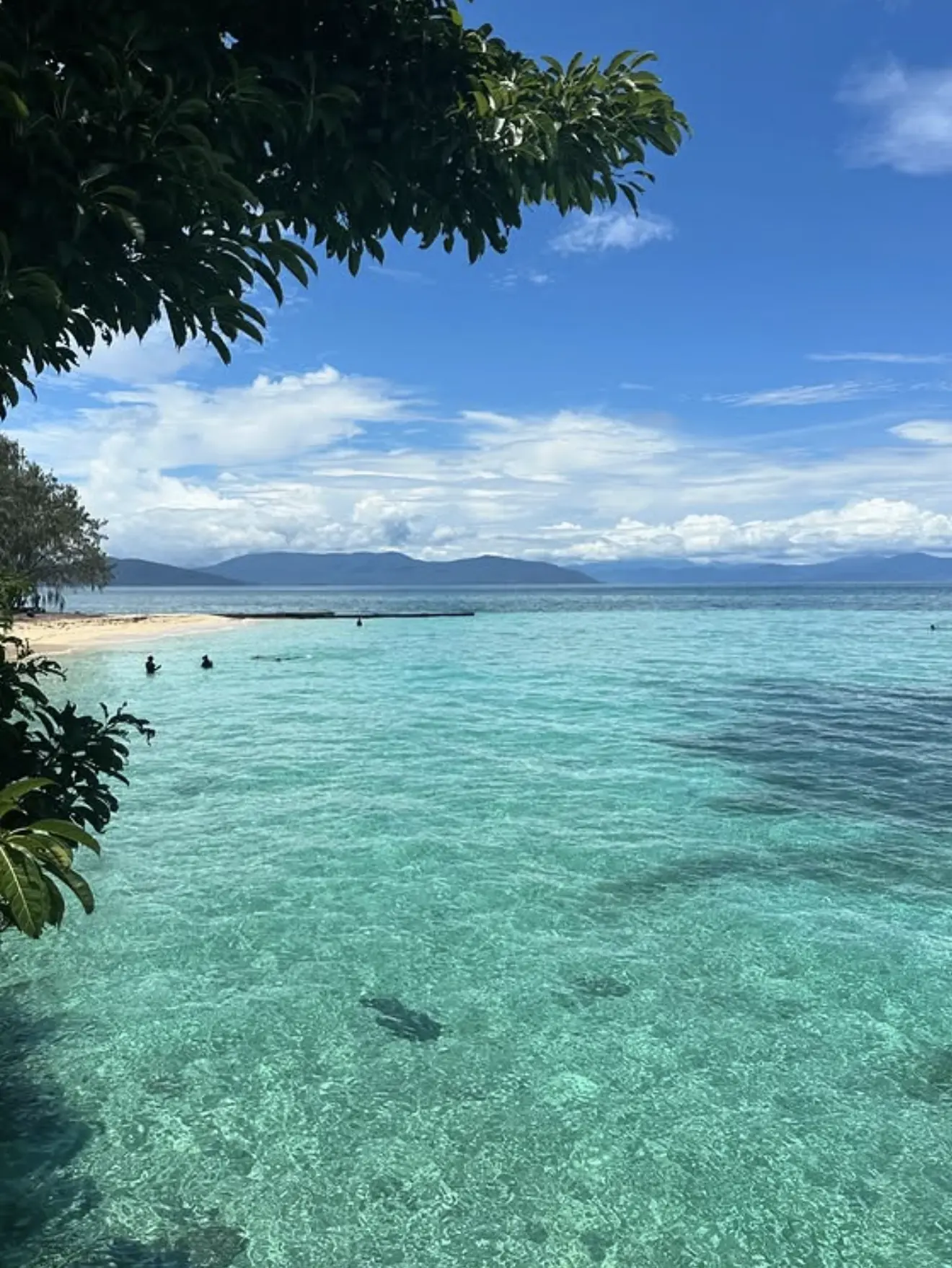
After the afternoon ferries depart, the island becomes noticeably calmer, giving overnight guests a different experience from day visitors.
The trade-off is cost. Accommodation is considerably more expensive than staying in Cairns, dining options are limited, and the island is small enough to explore comfortably in a single day.
I’d stay overnight for the slower pace and peaceful surroundings rather than because there are significantly more things to do.
When Is the Best Time to Visit?
Rather than asking for the best month, I’d focus on the best marine conditions.
The dry season from May to October generally brings lower humidity, less rain and more comfortable temperatures, although it’s also the busiest time of year.
The wet season from November to April offers warmer water but increases the likelihood of heavy rain, rough seas and disrupted ferry services.
What often surprises visitors is that snorkelling visibility depends more on recent weather than the season itself. A calm day after several days of settled conditions can provide far better visibility than a windy winter day.
If snorkelling is your priority, check the marine forecast 24–48 hours before departure rather than relying on seasonal averages.
Facilities and Practical Information
Green Island is one of the easiest Great Barrier Reef islands to visit, with cafés, toilets and showers, changing rooms, lockers, equipment hire, shaded picnic areas and organised tours.
That convenience comes at a price. Return ferry fares typically start around AUD $110–120, but after adding snorkel hire, lunch, drinks, lockers and optional activities, many visitors spend AUD $180–250 per adult.
That’s why I compare Green Island tour packages by what’s included rather than the headline fare. Spending an extra AUD $30–40 upfront often proves better value once equipment hire or reef activities are factored in.
Common Mistakes First-Time Visitors Make
The biggest mistake is expecting Green Island to deliver the same coral experience as the Outer Reef. It won’t, because the two destinations offer fundamentally different reef experiences.
Trying to fit snorkelling, a glass-bottom boat, the rainforest walk, lunch and beach time into six hours is another common trap. I’d choose two or three main priorities instead of rushing through the day.
Don’t underestimate the tropical sun either. UV levels remain extreme even on cloudy days, so wear reef-safe sunscreen and a rash shirt while snorkelling.
Finally, compare tours by time on the island, package inclusions and total cost, not simply by the lowest advertised fare. A slightly more expensive package often delivers better overall value.
Final Verdict: Should You Visit Green Island?
I’d recommend Green Island to families, couples, beginner snorkellers and anyone looking for an easy Great Barrier Reef day trip from Cairns. Its greatest strength is bringing together beaches, rainforest and reef activities within 45 minutes of the mainland.
If coral is your priority, I’d book an Outer Reef cruise instead. If you prefer hiking and more rugged scenery, Fitzroy Island is the stronger choice.
Green Island offers the best value when you’re after a balanced island experience rather than a specialist snorkelling or diving trip. Before booking, compare departure times, time on the island, tour inclusions and total cost through Great Barrier Reef Tours to find the option that best matches the experience you’re looking for.
FAQ
Is Green Island worth visiting?
Yes. Green Island is an excellent day trip for first-time visitors and families, combining beaches, rainforest and accessible reef activities close to Cairns. Travellers focused primarily on coral may find the Outer Reef a better fit.
Is Green Island better than Fitzroy Island?
That depends on your priorities. Choose Green Island for sandy beaches and family-friendly facilities, or Fitzroy Island for hiking, elevated viewpoints and rugged scenery.
Can you snorkel from the beach?
Yes. Beach-entry snorkelling is available, although coral quality varies around the island. More experienced snorkellers may prefer guided boat trips to offshore reef areas where the coral is generally more rewarding.
How long should you spend on Green Island?
A full day is ideal. The earliest ferry and latest return normally provide enough time for snorkelling, the rainforest walk, lunch and time to relax.
Can you see turtles on Green Island?
Yes. Green turtles are regularly seen around the island, particularly while snorkelling, but sightings depend on weather, water clarity, tides and natural wildlife behaviour. Treat them as a welcome bonus rather than an expectation.