
The Great Barrier Reef is incredible not simply because it is the world’s largest coral reef system, but because many of the things people believe about it are only partly true. It isn’t one continuous reef. Coral isn’t a plant. Much of the Marine Park isn’t coral at all, and even the claim that it is visible from space needs context. Once you understand how the Reef actually works, it becomes even more remarkable.

What Makes the Great Barrier Reef Unique?
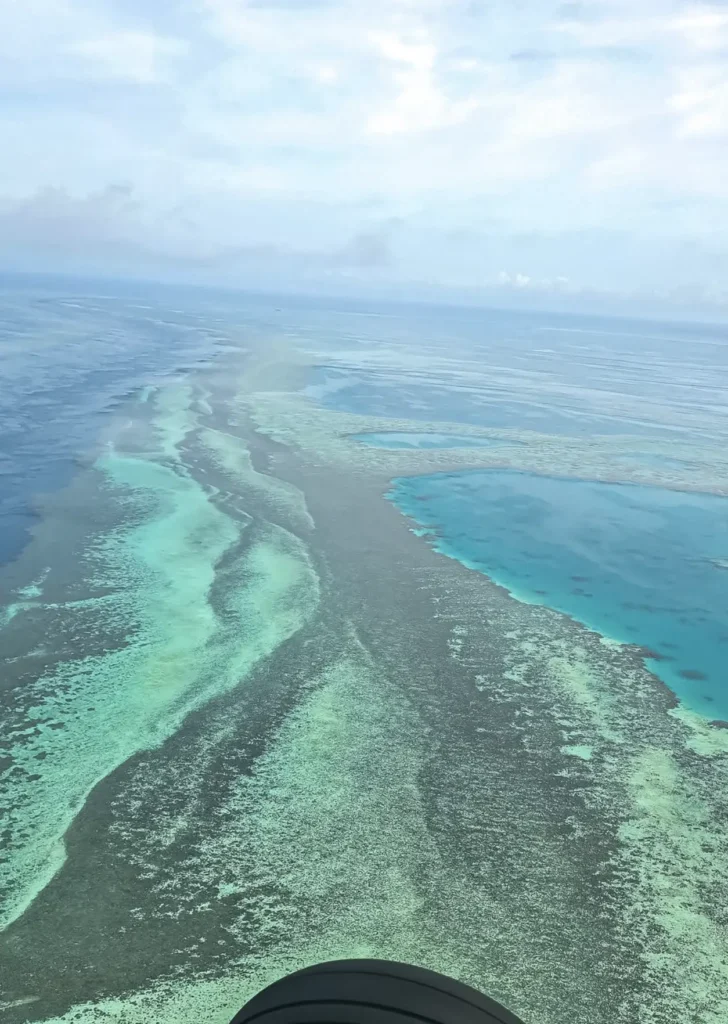
The Great Barrier Reef isn’t one reef, one habitat or even one ecosystem. It is more than 2,900 separate reefs connected by islands, seagrass meadows, mangrove forests and open ocean into the world’s largest coral reef system.
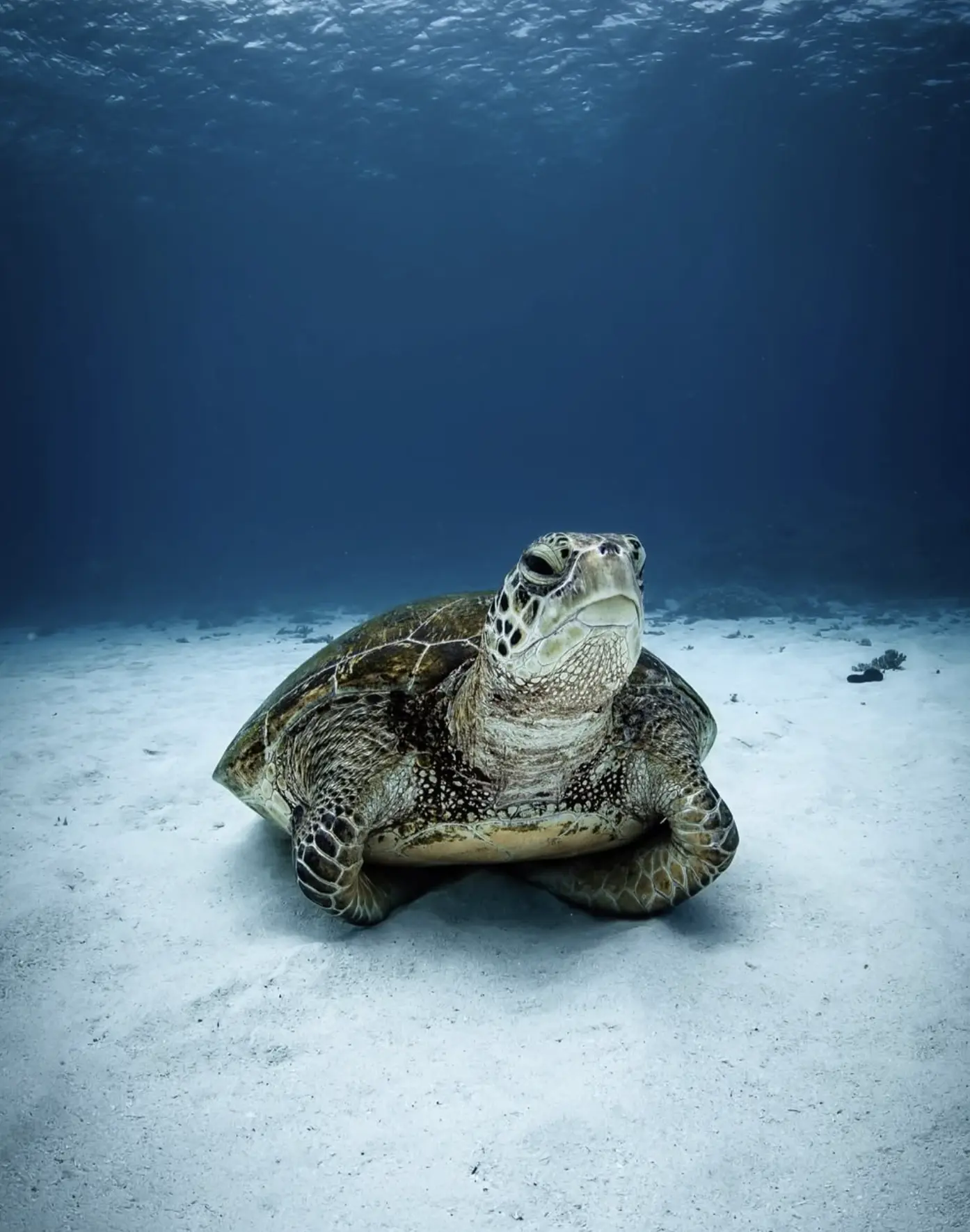
That’s what makes it unique. Rather than functioning as isolated habitats, coral reefs, mangrove forests, seagrass meadows and islands support one another. Green turtles feed in seagrass before nesting on sandy islands, juvenile fish grow among mangrove roots before moving onto coral reefs, and reef sharks help maintain balanced marine food webs.
Its enormous size creates equally remarkable diversity. Water clarity, coral communities and marine life differ noticeably between the Far North, the Whitsundays and the southern Reef, meaning two visitors can leave the Great Barrier Reef with completely different experiences despite visiting the same World Heritage Area.
Perhaps the most remarkable fact of all is that this vast ecosystem has been built almost entirely by animals no bigger than a fingernail.
How Large Is It Really?
The Great Barrier Reef isn’t one reef, one habitat or even one ecosystem. It is more than 2,900 separate reefs connected by islands, seagrass meadows, mangrove forests and open ocean into the world’s largest coral reef system.
That’s what makes it unique. Rather than functioning as isolated habitats, coral reefs, mangrove forests, seagrass meadows and islands support one another. Green turtles feed in seagrass before nesting on sandy islands, juvenile fish grow among mangrove roots before moving onto coral reefs, and reef sharks help maintain balanced marine food webs.
Its enormous size creates equally remarkable diversity. Water clarity, coral communities and marine life differ noticeably between the Far North, the Whitsundays and the southern Reef, meaning two visitors can leave the Great Barrier Reef with completely different experiences despite visiting the same World Heritage Area.
Perhaps the most remarkable fact of all is that this vast ecosystem has been built almost entirely by animals no bigger than a fingernail.
Why Isn't It One Single Reef?
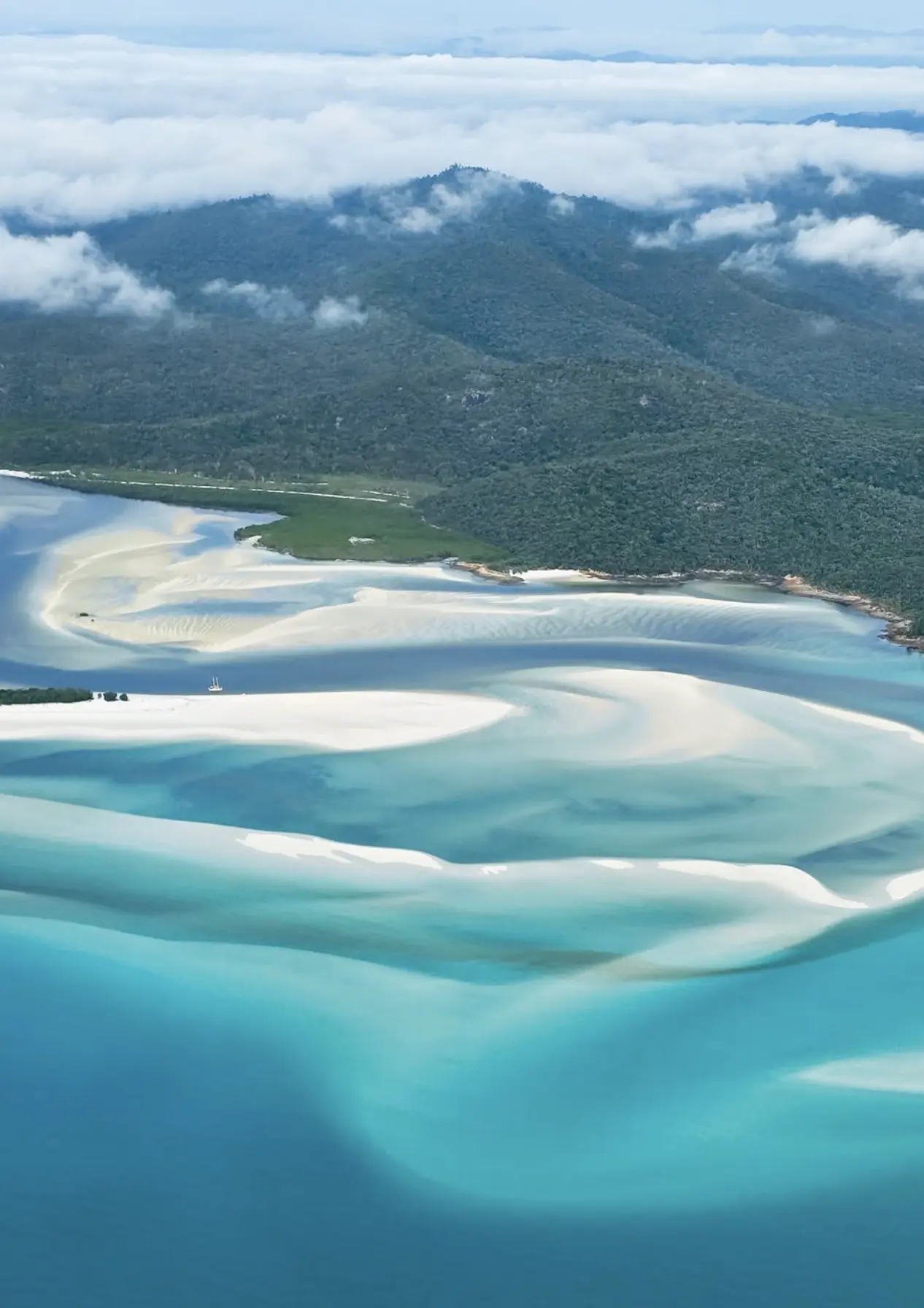
Most people imagine the Great Barrier Reef as one enormous underwater wall, but that wall doesn’t actually exist.
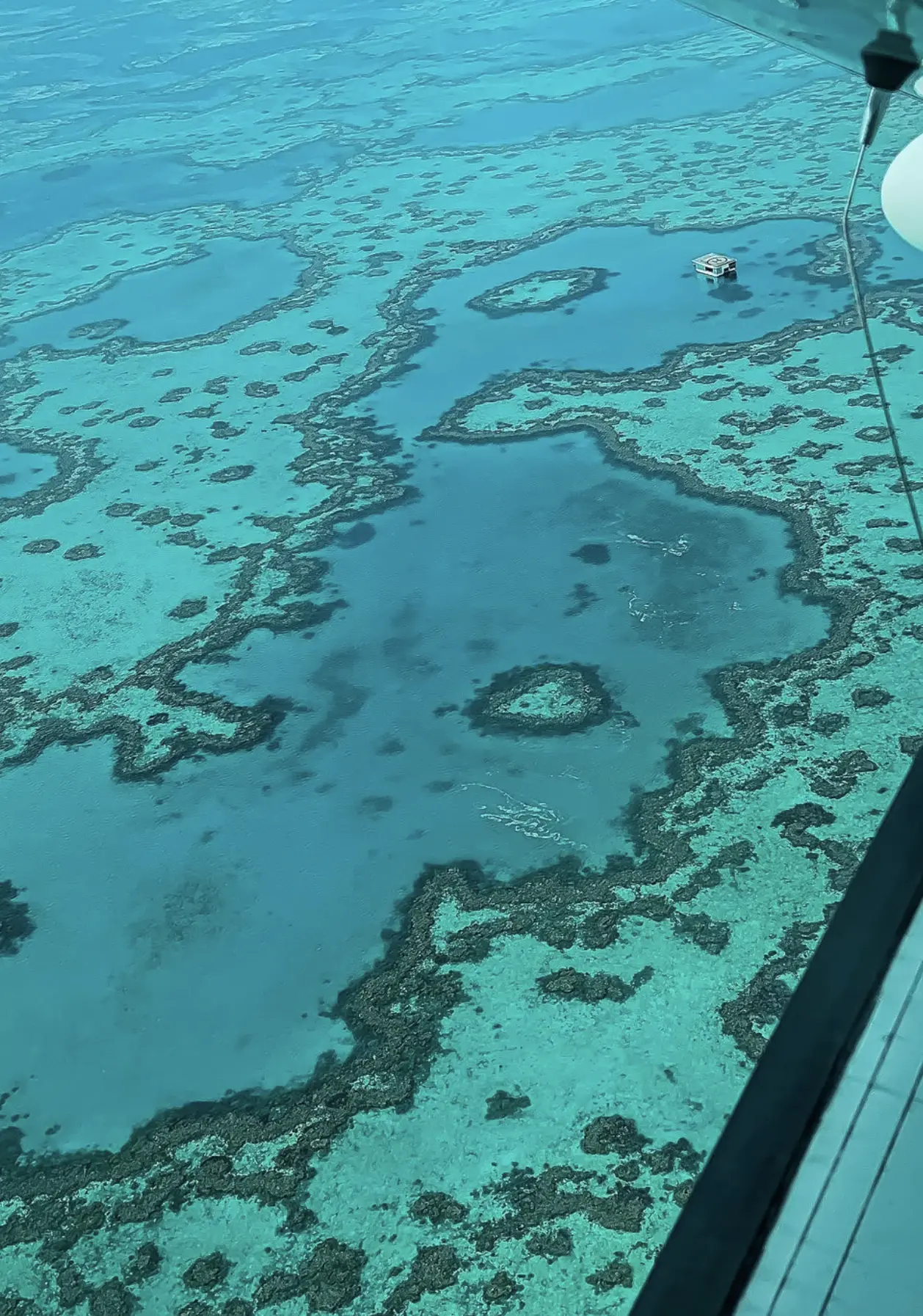
Instead, the Reef is a mosaic of thousands of separate reefs divided by channels, lagoons and open ocean. Coral only grows where sunlight, water depth, currents, wave exposure and seabed conditions are suitable, which is why reefs developed as separate formations rather than one continuous barrier.
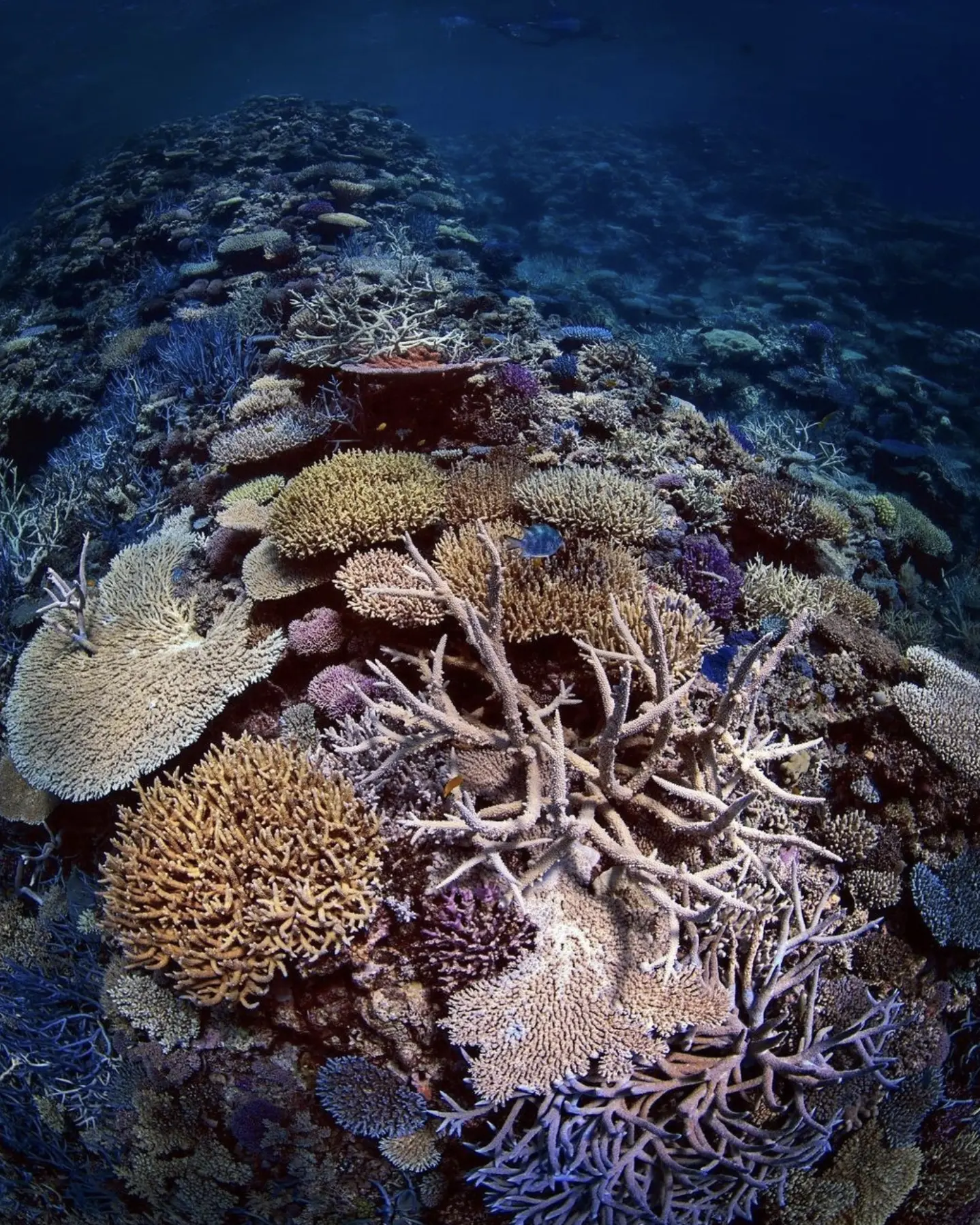
Even healthy reefs contain much more than living coral. Sand, coral rubble, algae, sponges and soft corals all form part of a functioning reef ecosystem, creating habitats for countless marine species.
For visitors, this means no two reef experiences are exactly alike. A sheltered island reef, an outer reef pontoon and a remote ribbon reef may all belong to the Great Barrier Reef, yet each offers different coral, marine life, water clarity and underwater landscapes..

How Coral Actually Builds the Reef
Every coral garden you see was built by animals smaller than your fingernail.
The builders are tiny marine animals called coral polyps. Each produces a limestone skeleton, and as generations live and die, those skeletons accumulate to form the Reef’s solid foundation. New colonies grow over older ones, gradually building coral reefs over thousands of years.
Growth is surprisingly slow. Branching corals may grow 10–20 centimetres a year, while massive boulder corals often add only a few centimetres. Some of the largest coral colonies visitors admire today have been growing for centuries.
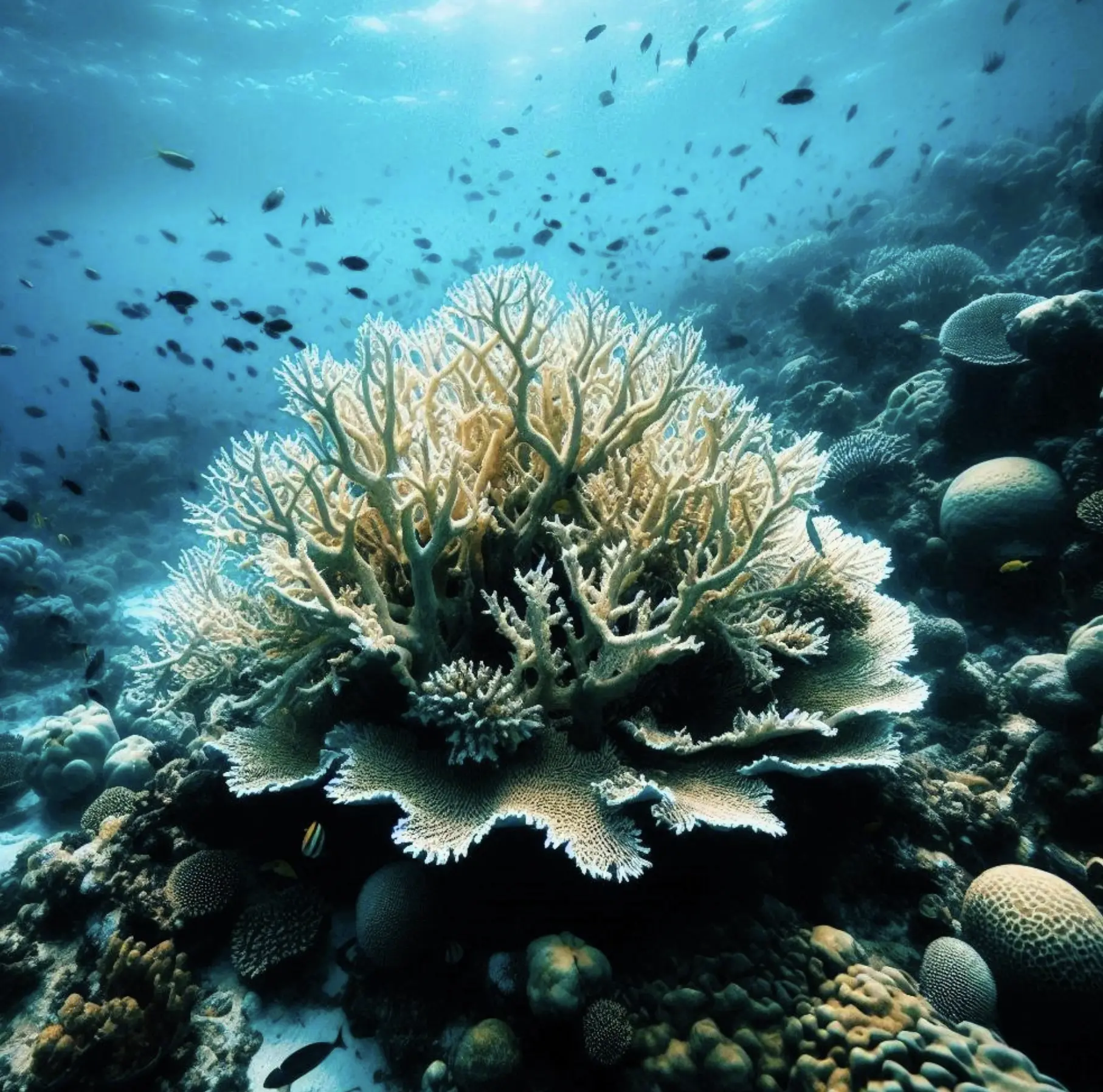
Corals also survive through a remarkable partnership with microscopic algae called zooxanthellae, which provide most of their energy through photosynthesis and give them much of their colour. During prolonged marine heatwaves, corals may expel these algae, causing bleaching. Bleached coral is still alive and can recover if conditions improve, but extended heat greatly increases the risk of mortality.
Every living coral colony is therefore the product of centuries of uninterrupted growth by thousands of tiny animals working together—one of the most extraordinary construction projects in the natural world.
Fascinating Wildlife Facts
A single coral head can support hundreds of different species living only centimetres apart.
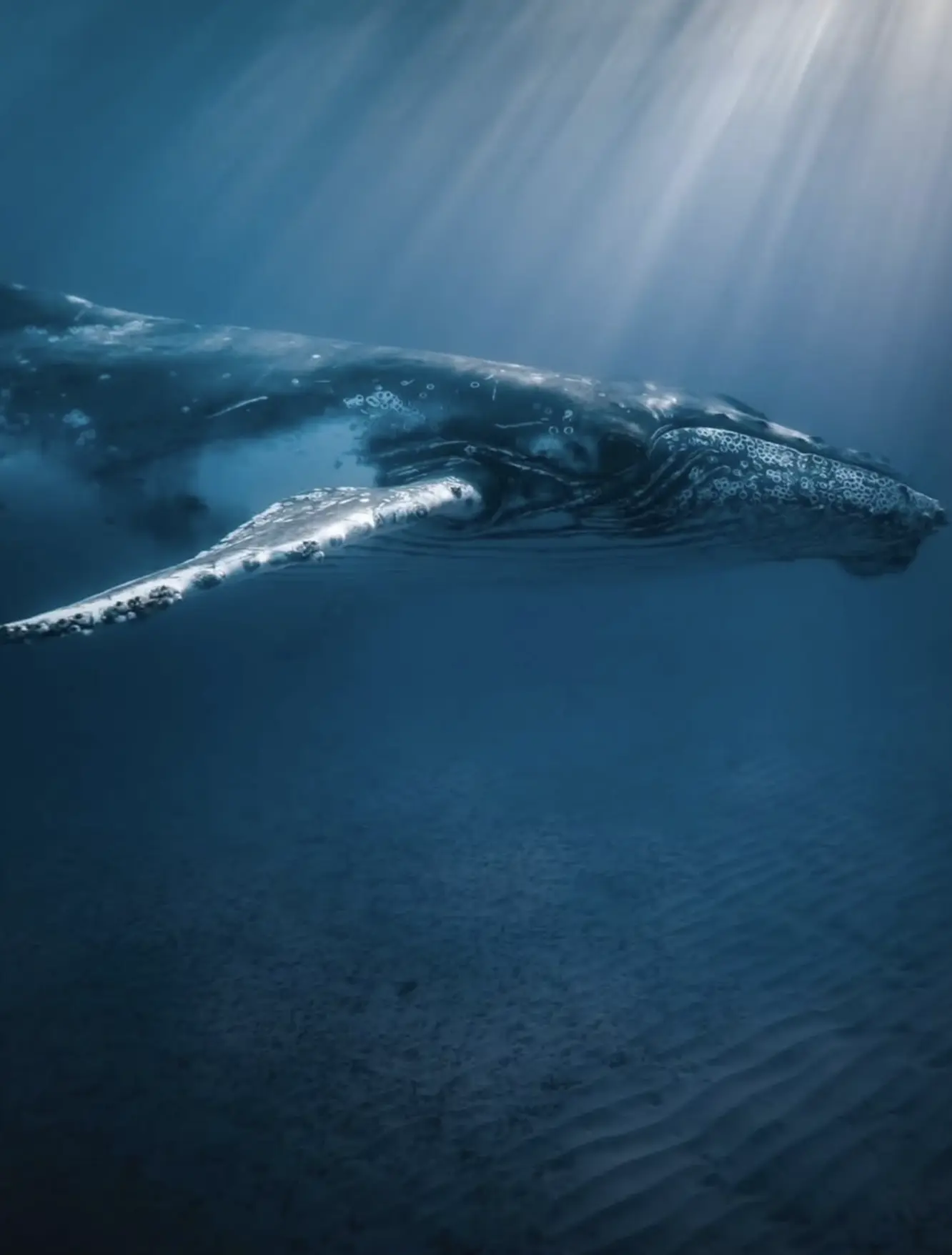
The Great Barrier Reef is home to around 1,625 species of fish, more than 450 hard coral species, over 1,000 soft coral species, approximately 4,000 mollusc species, 30 whale and dolphin species, and six of the world’s seven marine turtle species, making it one of the richest marine ecosystems on Earth.
Its biodiversity depends on thousands of ecological partnerships. Clownfish shelter among sea anemones while helping keep their hosts clean. Dugongs and green turtles rely on seagrass rather than coral, reef sharks regulate marine food webs, and parrotfish prevent algae from smothering coral by grazing continuously across reef surfaces.
Some species quietly engineer the ecosystem. Giant clams filter seawater while hosting the same photosynthetic algae that sustain reef-building corals, and sea cucumbers recycle nutrients by processing organic material across the seabed. Even the Reef’s famous white sand owes much to parrotfish, which grind coral into fine sand as they feed.
Ancient History and Reef Formation
Most of the Great Barrier Reef is younger than Stonehenge.
Although coral reefs are ancient, most of the Reef visitors see today formed only 8,000–10,000 years ago after sea levels rose following the last Ice Age. Around 20,000 years ago, much of today’s continental shelf was dry land before melting glaciers flooded the coastline and allowed coral larvae to settle on older limestone foundations.
The Reef has never stopped evolving. Annual mass coral spawning creates new colonies, tropical cyclones reshape reef edges, parrotfish generate coral sand, and waves continually rebuild beaches and coral cays. Rather than being a fixed natural wonder, the Great Barrier Reef remains one of the world’s largest living geological processes.
Indigenous Cultural Significance
More than 70 Traditional Owner groups have cultural connections with the Great Barrier Reef—a fact many visitors never realise.
For thousands of generations, Aboriginal and Torres Strait Islander Peoples navigated these waters, harvested marine resources sustainably and developed detailed knowledge of tides, reefs, seasons and wildlife long before European exploration.
Many reefs, islands and coastal features still carry Traditional Owner names, stories and cultural significance. Today, this knowledge contributes to reef management, scientific research and conservation, recognising that protecting the Reef also means protecting one of Australia’s oldest living cultural landscapes.
New Scientific Discoveries
Scientists can now detect sharks, turtles and rays without ever seeing them.
Using environmental DNA (eDNA), researchers analyse tiny traces of genetic material left behind in seawater to identify species that may never appear in front of a diver or underwater camera. Combined with satellites, underwater drones, sonar mapping and artificial intelligence, these technologies are transforming how scientists monitor reef health across thousands of square kilometres.
Research is also advancing reef restoration. Coral nurseries, assisted larval dispersal and experiments with heat-tolerant corals are helping scientists understand how vulnerable reefs can become more resilient in a warming climate.
Biggest Myths People Believe
Some of the Great Barrier Reef’s most famous “facts” aren’t actually true.
Myth: The Great Barrier Reef is one continuous reef.
Reality: It is a network of more than 2,900 separate reefs.
Myth: Coral is a plant.
Reality: Coral is an animal that builds limestone skeletons over thousands of years.
Myth: The Marine Park is mostly coral.
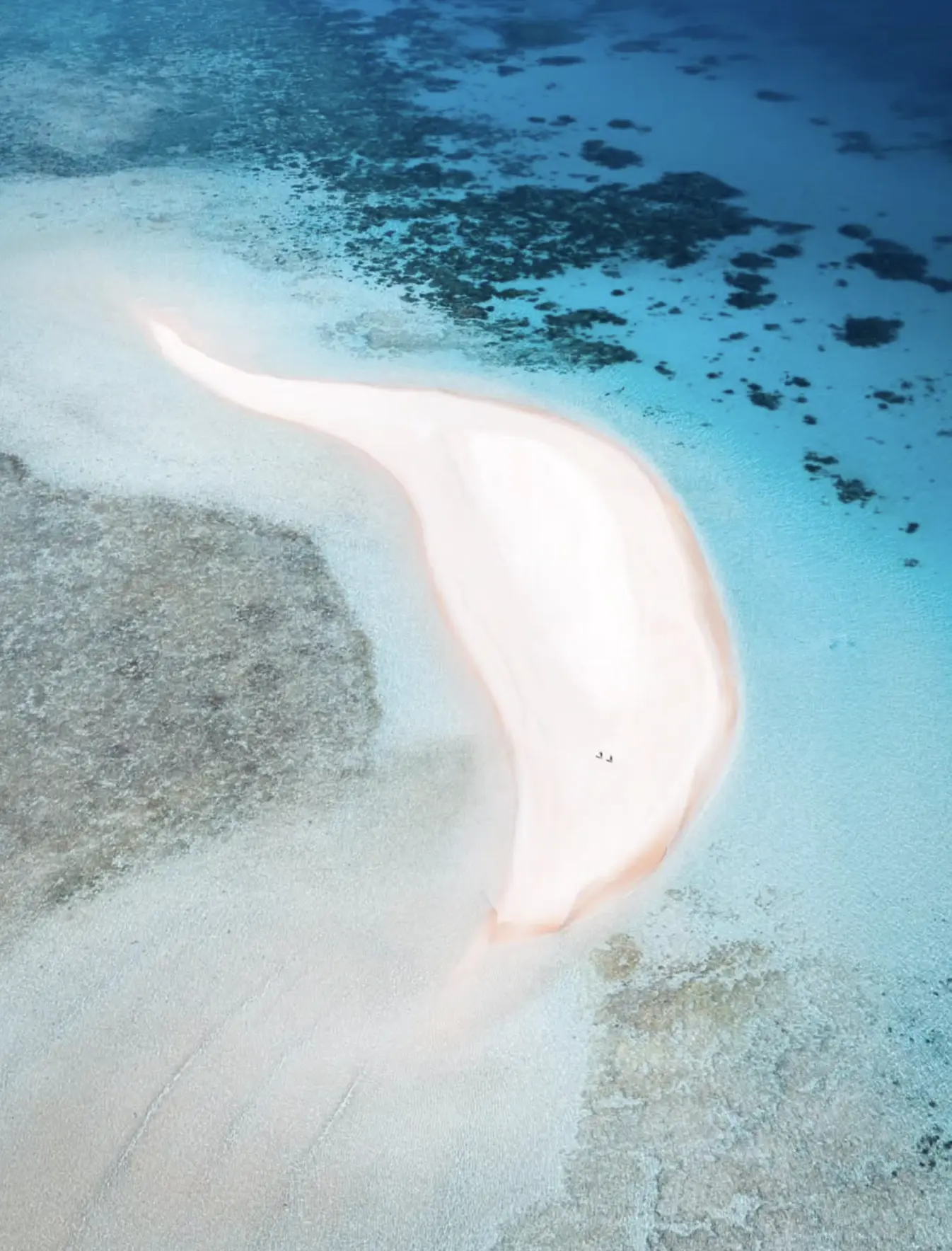
Reality: Vast areas consist of seagrass meadows, mangroves, islands, sandy seabeds and open water.
Myth: Bleached coral is dead.
Reality: Bleaching is a stress response, and many corals recover if temperatures return to normal.
Myth: The Reef is either completely healthy or completely destroyed.
Reality: Its condition varies enormously between regions. Some reefs recover strongly, while others continue to experience significant environmental pressures.
Why the Reef Is Changing
The Great Barrier Reef has always changed—but today it is changing faster than many reefs can recover.
Marine heatwaves are now the greatest long-term threat because prolonged periods of unusually warm water can trigger widespread coral bleaching. Other major pressures include powerful tropical cyclones, outbreaks of crown-of-thorns starfish and declining water quality in some inshore catchments.
These impacts are not uniform. Water temperature, currents, coral species and previous disturbance all influence how individual reefs respond, which is why one reef may recover well while another experiences significant coral loss. A single news report rarely reflects conditions across an ecosystem stretching more than 2,300 kilometres.
Conservation Efforts
Protecting the Great Barrier Reef doesn’t start on the Reef—it starts hundreds of kilometres inland.
Improving river catchments, reducing sediment and nutrient runoff, and protecting coastal habitats are just as important as managing coral itself. On the Reef, scientists monitor coral cover, control destructive crown-of-thorns starfish outbreaks and restore damaged habitats, while the Reef Restoration and Adaptation Program is developing coral nurseries, assisted larval dispersal and heat-tolerant corals to improve long-term resilience.
The Great Barrier Reef Marine Park Authority coordinates these efforts alongside Traditional Owners, researchers, tourism operators and local communities, recognising that no single project can protect an ecosystem of this scale.
Why Visitors Should Experience It Responsibly
Responsible tourism helps fund reef research, monitoring and conservation while reducing pressure on fragile habitats.
When choosing a tour, I recommend booking with reputable operators such as Great Barrier Reef Tours, which work with accredited reef experiences and help visitors choose trips that follow responsible environmental practices. Experienced guides and well-managed tours typically provide better wildlife encounters while minimising impacts on sensitive reef habitats.
Visitors can also help by not touching coral or marine animals, following guide instructions and leaving no rubbish behind. Small actions matter when millions of people visit the Reef each year.
FAQ
Is the Great Barrier Reef really visible from space?
Yes, under favourable weather, lighting and water conditions, although the claim is often overstated.
How old is the Great Barrier Reef?
Most of today’s Reef formed 8,000–10,000 years ago after the last Ice Age, on much older limestone reef foundations.
Is coral alive?
Yes. Coral is made up of tiny animals called polyps that build limestone skeletons over centuries and millennia.
Why is the Great Barrier Reef so important?
It supports exceptional biodiversity, protects parts of Queensland’s coastline, contributes significantly to Australia’s economy and holds deep cultural significance for Aboriginal and Torres Strait Islander Traditional Owners.
Can the Great Barrier Reef recover from bleaching?
Yes. Bleaching is a stress response, and many corals recover if conditions improve quickly, although repeated heat stress reduces their resilience.