
Whale and dolphin watching in the Great Barrier Reef is best suited to travellers who want a broader marine wildlife experience rather than guaranteed, prolonged whale encounters. Humpback whales migrate through Reef waters mainly during the cooler months, dolphins may appear year-round, and the northern Ribbon Reefs offer permitted in-water encounters with dwarf minke whales.
Choose Hervey Bay for dedicated humpback watching, Cairns for an accessible Reef trip with possible seasonal sightings, the Whitsundays for sailing and island scenery, and Cairns or Port Douglas for a multi-day Ribbon Reef expedition. A standard winter Reef cruise does not automatically become a whale-watching tour.
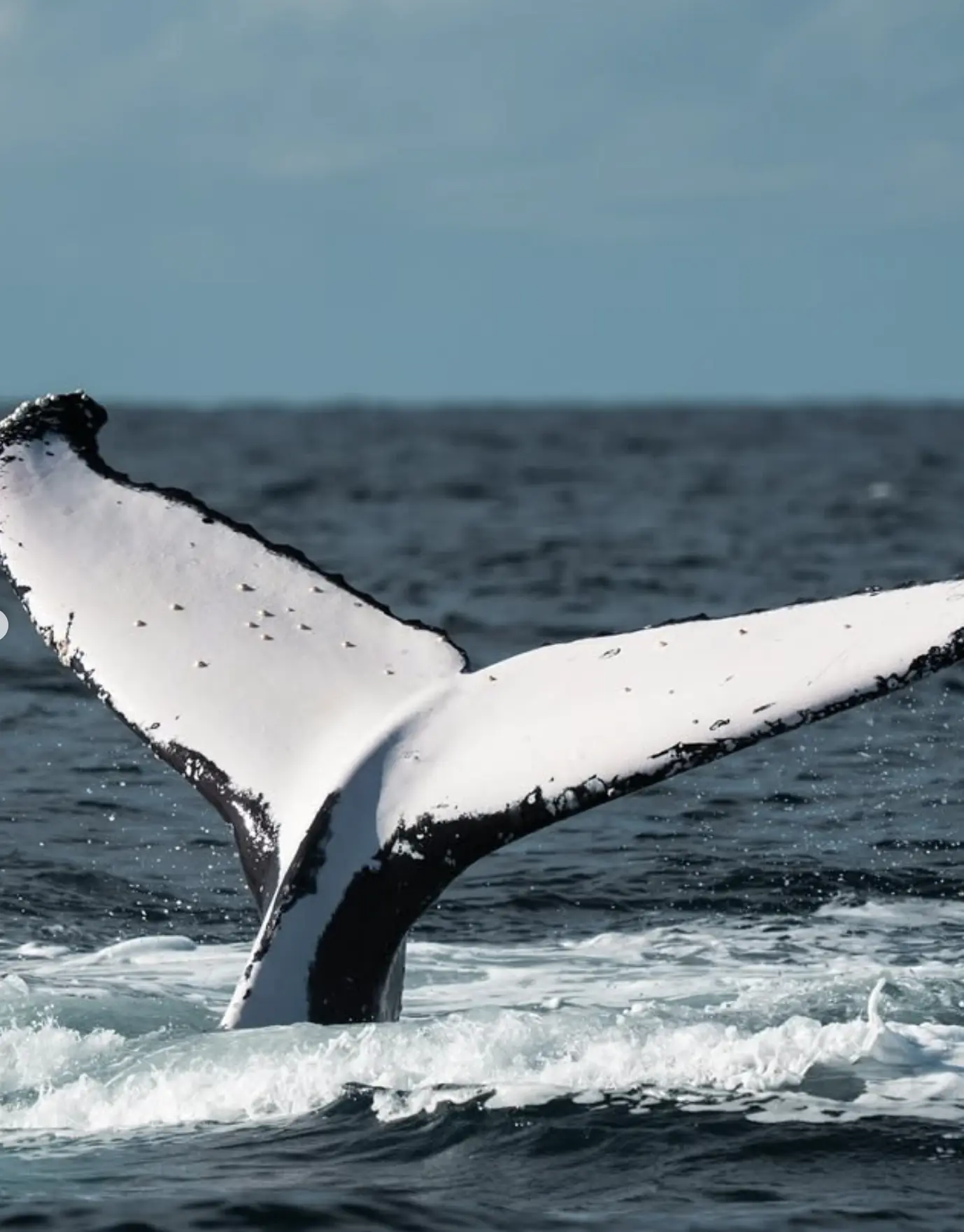
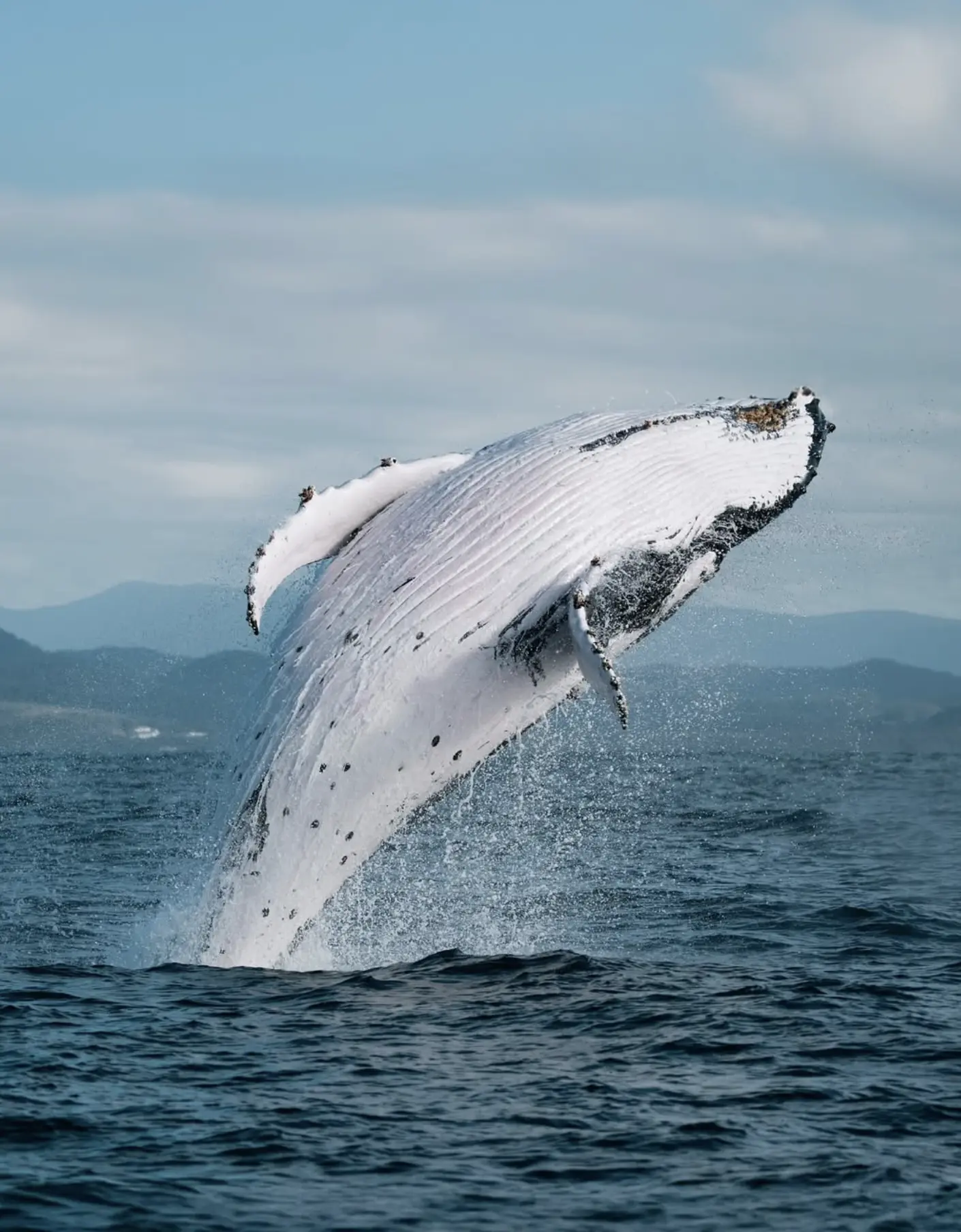
Can You See Whales and Dolphins?
Yes, but the likelihood depends on species, region, season and tour design. Around 30 whale and dolphin species have been recorded in the Great Barrier Reef World Heritage Area, although most visitors realistically encounter only humpback whales in winter, dwarf minke whales on specialist northern expeditions and several dolphin species throughout the year.
Humpbacks migrate from Antarctic feeding grounds towards warmer waters to mate and give birth, travelling as much as 10,000 kilometres annually. The broader east-coast season runs from April to November, but May to September is the most relevant Great Barrier Reef window.
Dolphins are less seasonal but remain unpredictable. They may bow-ride beside a vessel or appear around offshore reefs, yet dedicated dolphin tours are uncommon. On standard cruises, both dolphins and whales should be treated as possible additions rather than guaranteed inclusions.
Which Species Can You See?
The Great Barrier Reef is home to both resident dolphins and migratory whales, but not every species is equally likely to be encountered. Knowing which animals are commonly seen—and which are rare—helps set realistic expectations and choose the right tour for your travel priorities.


Humpback Whales
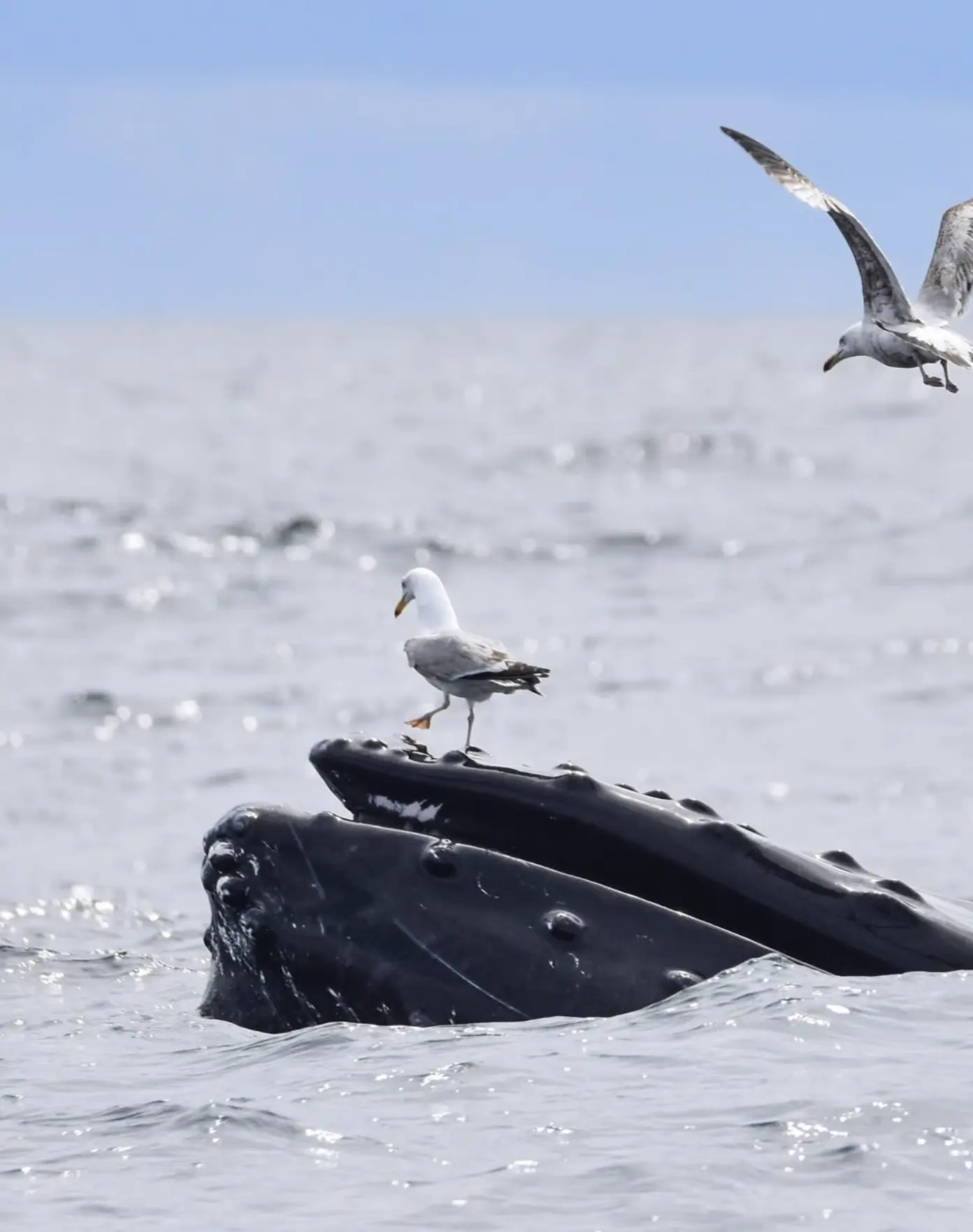
Humpbacks are the most likely large whales across the central and southern Reef during winter. Breaching, tail slapping, pectoral-fin slapping and spyhopping are possible, but many encounters consist only of a blow, dorsal profile or distant tail.
Choose a dedicated humpback cruise when observing whale behaviour is the priority. Choose a standard Reef cruise when coral and snorkelling matter more and a whale sighting would be a bonus.
Dwarf Minke Whales
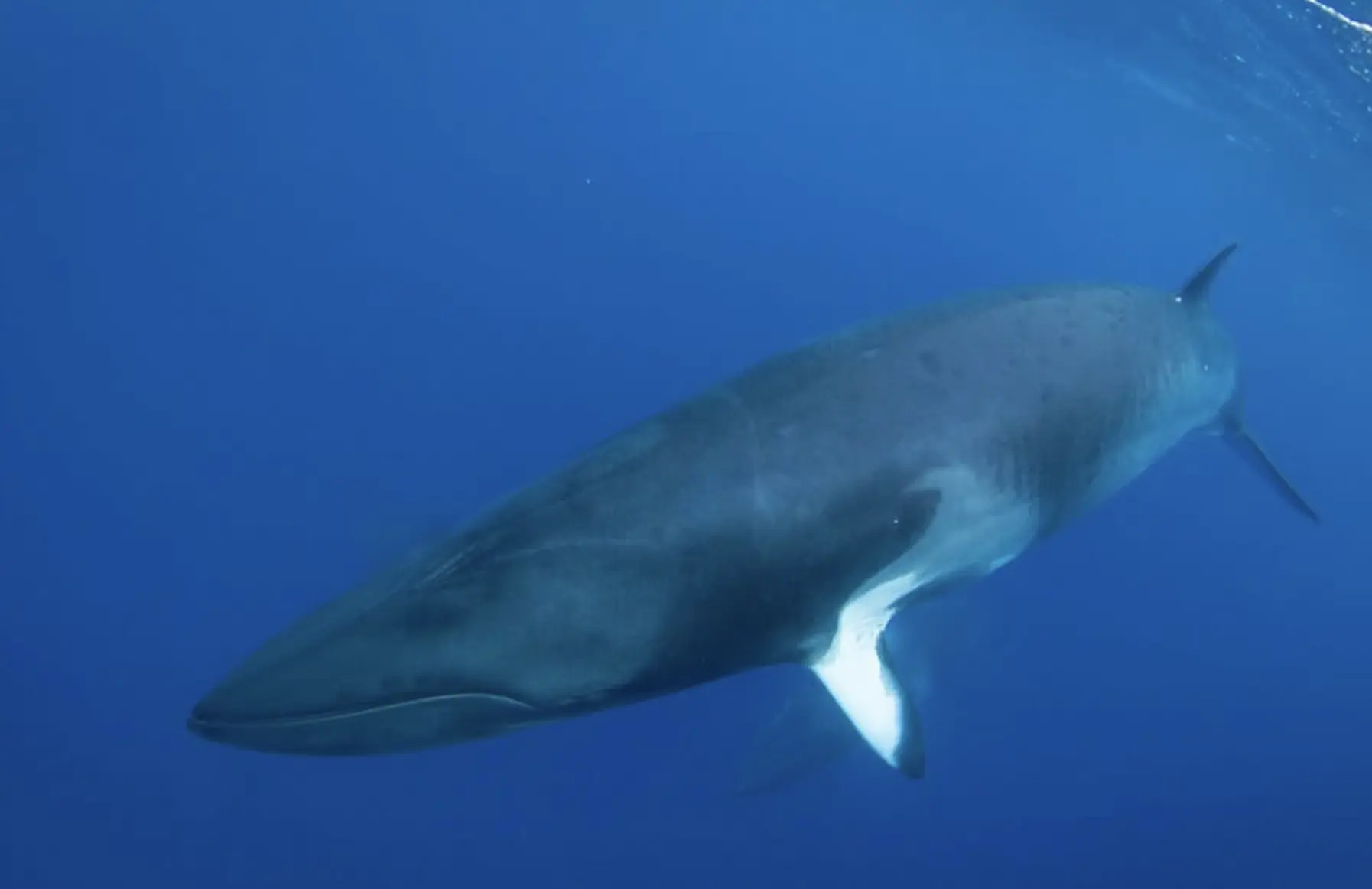
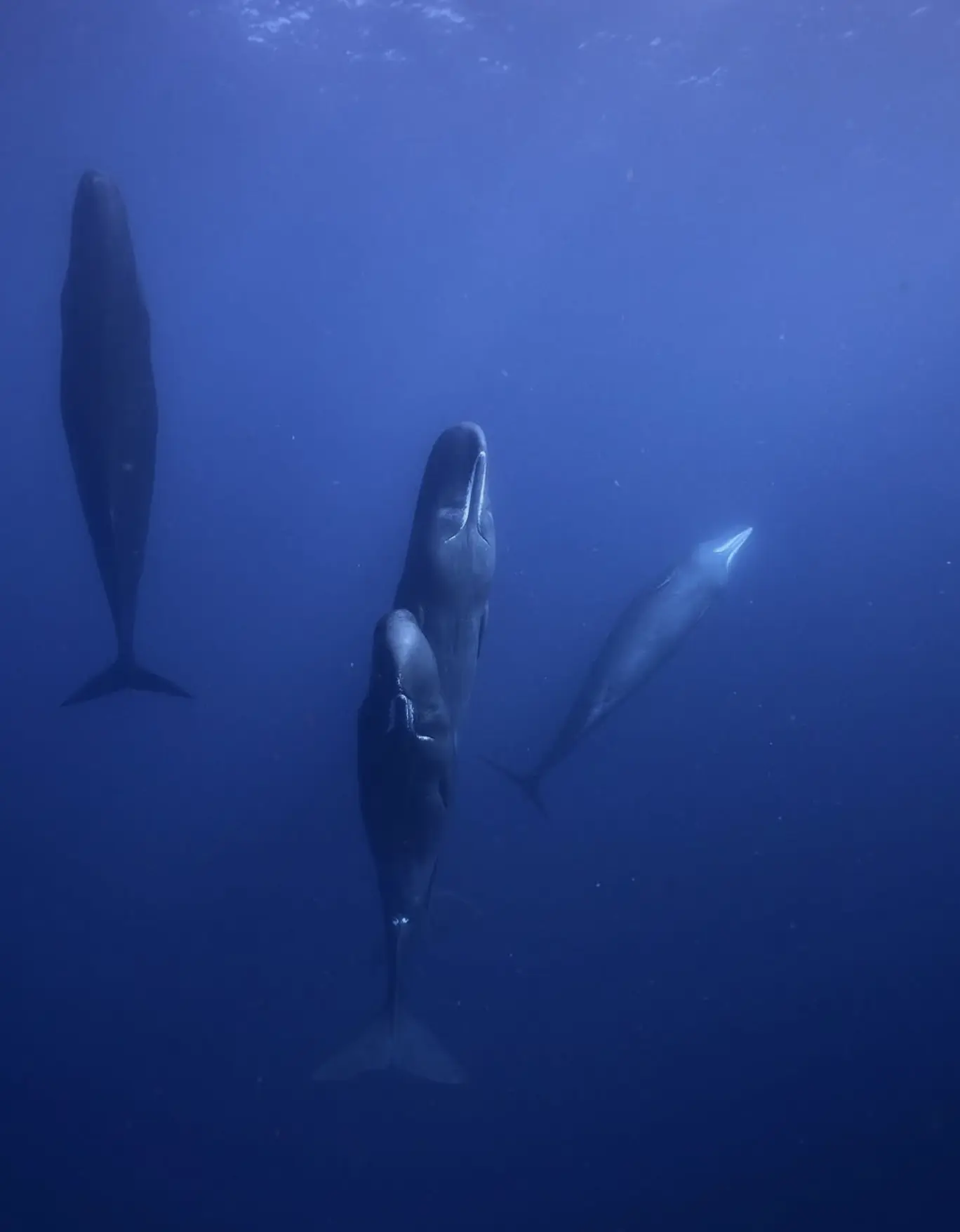
Dwarf minke whales are the Reef’s most distinctive marine-mammal attraction. They are regularly encountered around the northern Ribbon Reefs, particularly from May to July, with specialist expeditions concentrated in June and July.
These whales are usually about five to seven metres long. Permitted operators may facilitate controlled in-water encounters in which swimmers remain near a line while the whales decide whether to approach.
The cost reflects several days in suitable habitat, experienced crews and a permitted operation—not the certainty of an encounter. Travellers are paying for opportunity rather than a guaranteed result.
Dolphins
Bottlenose dolphins are among the most commonly reported species. Spinner dolphins, Australian snubfin dolphins and Indo-Pacific humpback dolphins may also occur, although they use different habitats.
Dolphins may be seen throughout the year, but most vessels do not actively search for them. A longer cruise therefore does not necessarily improve the likelihood of a sighting.

When Is the Best Time to Visit?
June to August provides the strongest combination of humpbacks, dwarf minke whales and generally favourable dry-season travel conditions.
July is the best all-round month. Humpbacks are moving through Queensland waters and specialist dwarf minke expeditions operate in the north. Travellers focused specifically on minkes should target June or July, while July and August are stronger for broader humpback activity.
Outside winter, dolphins remain possible, but whales become an unlikely bonus rather than a realistic expectation.
Wind matters almost as much as timing. Stronger wind creates surface chop, makes blows and fins harder to detect, increases vessel movement and reduces photography quality. Calm water does not produce more whales, but it makes existing animals easier to observe.
Where Should You Go?
The Great Barrier Reef covers an enormous area, so treating it as one whale-watching destination produces poor decisions.
Cairns: Best for a First Reef Visit
Cairns is the most practical base for a straightforward outer-Reef day trip. During humpback season, whales may appear between Cairns and offshore reef sites, but most vessels follow fixed snorkelling, diving or pontoon itineraries.
I would not choose Cairns specifically for humpbacks. Choose it when coral is the main priority, marine variety comes second and seasonal whales are a bonus.
Port Douglas and the Ribbon Reefs: Best for Dwarf Minkes
The encounter site is not Port Douglas itself but the northern Ribbon Reef system, reached on specialist multi-day expeditions operating through the Cairns–Port Douglas region.
A three-night expedition is not simply a longer day cruise. It spends far more time in offshore habitat where dwarf minke encounters are more likely. The trade-off is cost, multiple nights at sea and a more dive-focused experience.
The Whitsundays: Best for Sailing and Seasonal Sightings
The Whitsundays suit travellers who want Whitehaven Beach, island scenery and sailing, with humpbacks as a seasonal extra.
The advantage is that the trip still offers beaches and anchorages if no whales appear. The compromise is that most sailing itineraries are not dedicated wildlife searches.
Lady Elliot Island and the Southern Reef
Lady Elliot Island is better considered an all-round wildlife destination than a whale-watching base. Seasonal humpbacks may pass nearby, but manta rays, turtles, reef sharks and shore-accessible snorkelling are stronger reasons to visit.
Choose the southern Reef for several days of marine wildlife rather than for a guaranteed close humpback encounter.
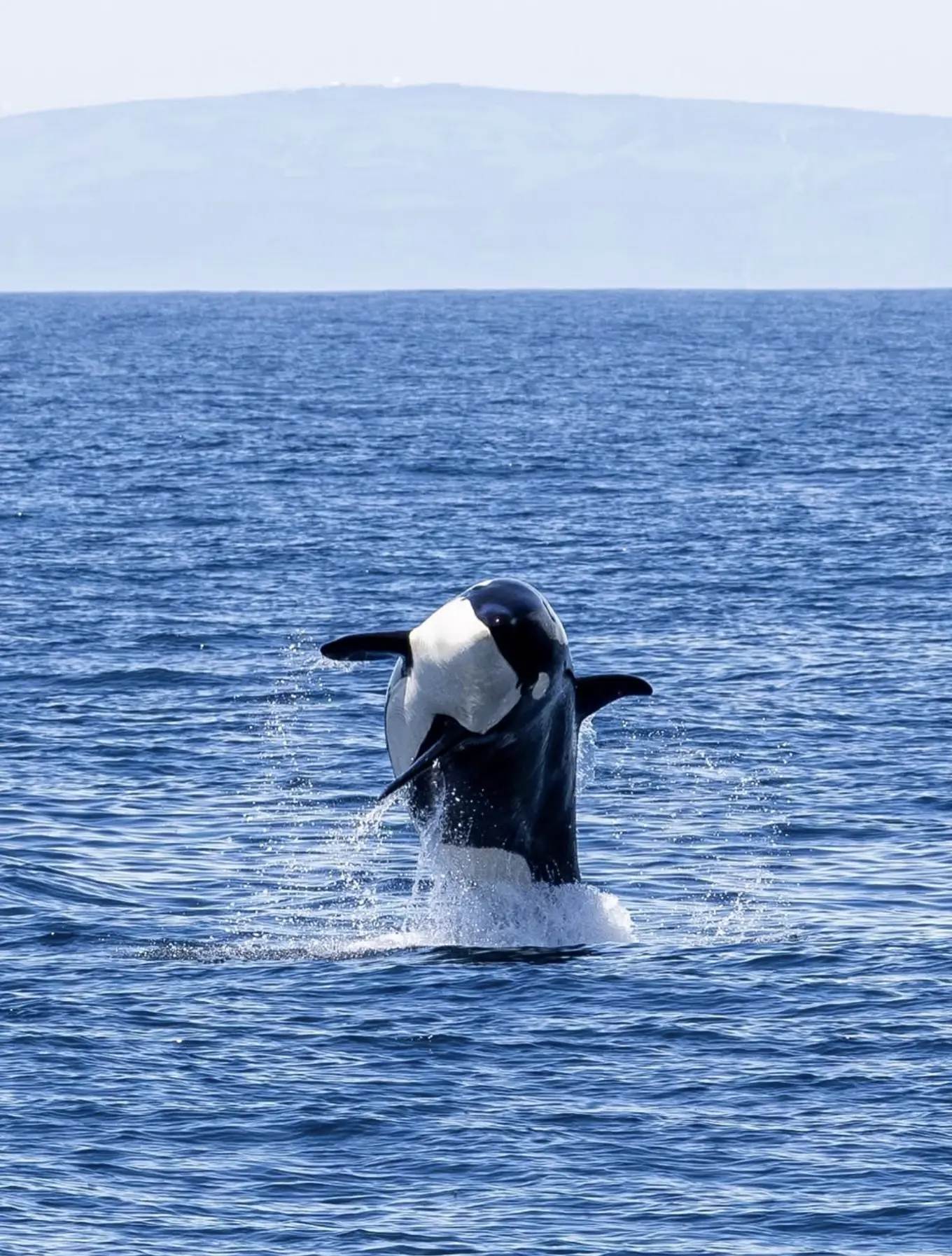
How Reliable Are Sightings?
A dedicated Hervey Bay cruise during peak season generally offers the highest likelihood of seeing humpbacks because the itinerary is designed around locating and observing them.
Ribbon Reef liveaboards provide the strongest dwarf minke opportunity because several days are spent in suitable habitat during the short winter aggregation period. Even then, in-water interaction remains voluntary.
Whitsunday sailing trips offer moderate seasonal potential, while standard Cairns Reef cruises have a lower whale probability because snorkelling and diving remain the primary purpose. Dolphins are similarly unpredictable because they occur year-round but move across large areas.
Reliability improves when three factors align: the correct season, the correct habitat and a tour designed around the target species.
Great Barrier Reef or Hervey Bay?
Choose Hervey Bay when humpback whales are the sole purpose of the trip. Dedicated operators spend more time searching for and observing them.
Choose the Great Barrier Reef when you also want coral, snorkelling, diving, islands and broader marine diversity. Even without whales, the day can still deliver substantial value.
For dwarf minke whales, choose the northern Ribbon Reefs. For sailing and seasonal humpbacks, choose the Whitsundays. For an accessible first Reef experience, choose Cairns.
Tour Costs
Prices vary by operator, cabin, season and inclusions. These Australian-dollar figures are indicative rather than set in stone.
| Experience | Indicative Cost | Tour Duration | What You Are Paying For |
|---|---|---|---|
| Cairns seasonal whale trip | From about AUD $159 | Full day | Whale search plus island or Reef component |
| Hervey Bay half-day cruise | From about AUD $155 | Around 4–5 hours | Dedicated humpback watching |
| Hervey Bay whale swim/watch | About AUD $230 | Around 5 hours | Smaller group and potential in-water component |
| Ribbon Reef minke expedition | AUD $2,540–$3,624 | 3 nights | Liveaboard accommodation, diving and time in minke habitat |
| Extended minke expedition | AUD $4,916–$7,189 | 7 nights | Maximum offshore time and multiple reef sites |
The minke expedition is worthwhile only when the in-water encounter, diving and remote Reef access justify several thousand dollars and multiple days.
For humpbacks alone, a half-day Hervey Bay cruise usually offers better value. For a first Reef visit, a Cairns day trip provides broader value because coral, turtles and fish remain worthwhile even if no whales appear.
How Long Should You Allow?
Allow half a day for a dedicated Hervey Bay cruise, a full day for a Cairns or Whitsundays trip, and at least three nights for a worthwhile Ribbon Reef expedition.
Longer trips increase time in suitable habitat, but duration cannot compensate for poor timing. A correctly timed three-night June or July trip may outperform a longer expedition outside the minke season.
For a general Great Barrier Reef holiday, allow at least three days in the region so one poor-weather day does not determine the entire experience.
Wildlife Viewing Rules
Queensland’s standard vessel no-approach distance is 100 metres for whales and 50 metres for dolphins, with additional restrictions in front of and behind the animals and when calves are present.
These rules explain why a responsible captain may change course or refuse to move closer for a photograph.
Swimming with dwarf minke whales is a separately permitted activity. Participants should expect safety lines, briefings, passive observation and strict instructions rather than free pursuit.

Who Is This Experience Best For?
A whale-focused Great Barrier Reef trip is a poor choice if you require a guaranteed close humpback encounter, have only one day and would be disappointed without a sighting, or cannot justify the cost of a specialist minke expedition.
Travellers prone to seasickness should also check the marine forecast carefully. Families with young children may find a stable Hervey Bay catamaran or Reef pontoon easier than a dive-focused liveaboard.
If You Can Only Choose One Trip
For most first-time visitors, I would book a high-quality outer-Reef cruise from Cairns in July or August. It offers coral, snorkelling, turtles, reef fish and a realistic possibility of whales.
Choose Hervey Bay when humpbacks are non-negotiable, the Ribbon Reefs when dwarf minkes are the main reason for travelling, and the Whitsundays when sailing and islands matter equally.
The key is to avoid booking the Reef solely for whales. Travellers who choose it for marine diversity can still have an excellent day without a cetacean sighting.

My Recommendation
If you’re visiting Queensland for the first time, I wouldn’t plan the entire holiday around whales. I’d choose a quality Great Barrier Reef cruise from Cairns during winter, where coral reefs, turtles, tropical fish and seasonal humpback sightings combine into one of Australia’s best marine experiences.
If humpback whales are the main reason for travelling, I’d head to Hervey Bay instead. Travellers dreaming of swimming with dwarf minke whales should invest in a specialist Ribbon Reef expedition, while the Whitsundays remain the better option for anyone wanting sailing, beaches and wildlife in the same itinerary.
Great Barrier Reef Tours offers trips departing from Cairns and other Reef gateways, making it easier to choose an itinerary that matches your priorities rather than simply booking the first available cruise.
FAQ
What is the best month for whale watching on the Great Barrier Reef?
July is the strongest all-round month because humpbacks are present across Queensland waters and specialist dwarf minke expeditions operate around the northern Ribbon Reefs.
Can you see whales on every Great Barrier Reef cruise?
No. Standard cruises focus on coral, snorkelling, diving or pontoons. During winter, crews may stop for whales, but they do not necessarily conduct prolonged searches.
Are dolphins seen throughout the year?
Yes, but sightings remain unpredictable. Dolphins are usually a bonus rather than the main purpose of a Reef trip.
Can beginners swim with dwarf minke whales?
Some expeditions accept snorkellers, but participants should be comfortable in deep offshore water and able to follow crew instructions. Requirements vary by operator.
Is Hervey Bay part of the Great Barrier Reef?
Hervey Bay is not a classic coral-reef destination. It is known for humpback watching in sheltered waters near K’gari and is better chosen for whales than for outer-Reef snorkelling.