
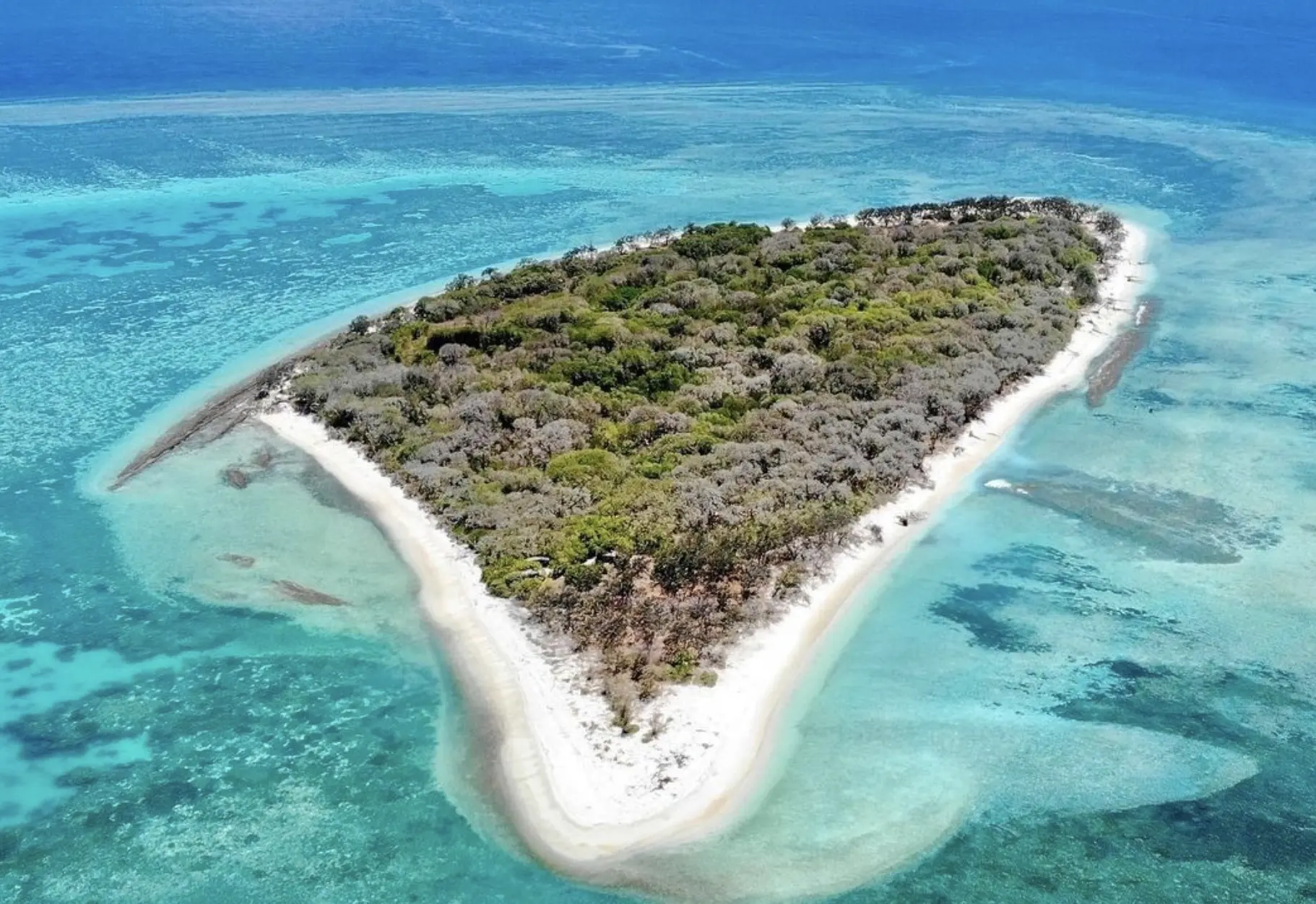
Lady Musgrave Island is one of the finest places to experience the Southern Great Barrier Reef if your priority is snorkelling and marine wildlife in a quieter reef environment rather than resort facilities. Its defining feature isn’t the island itself, but the vast coral lagoon that surrounds it. Sheltered water, diverse marine life and varied reef habitats create a very different experience from a typical Outer Reef cruise.
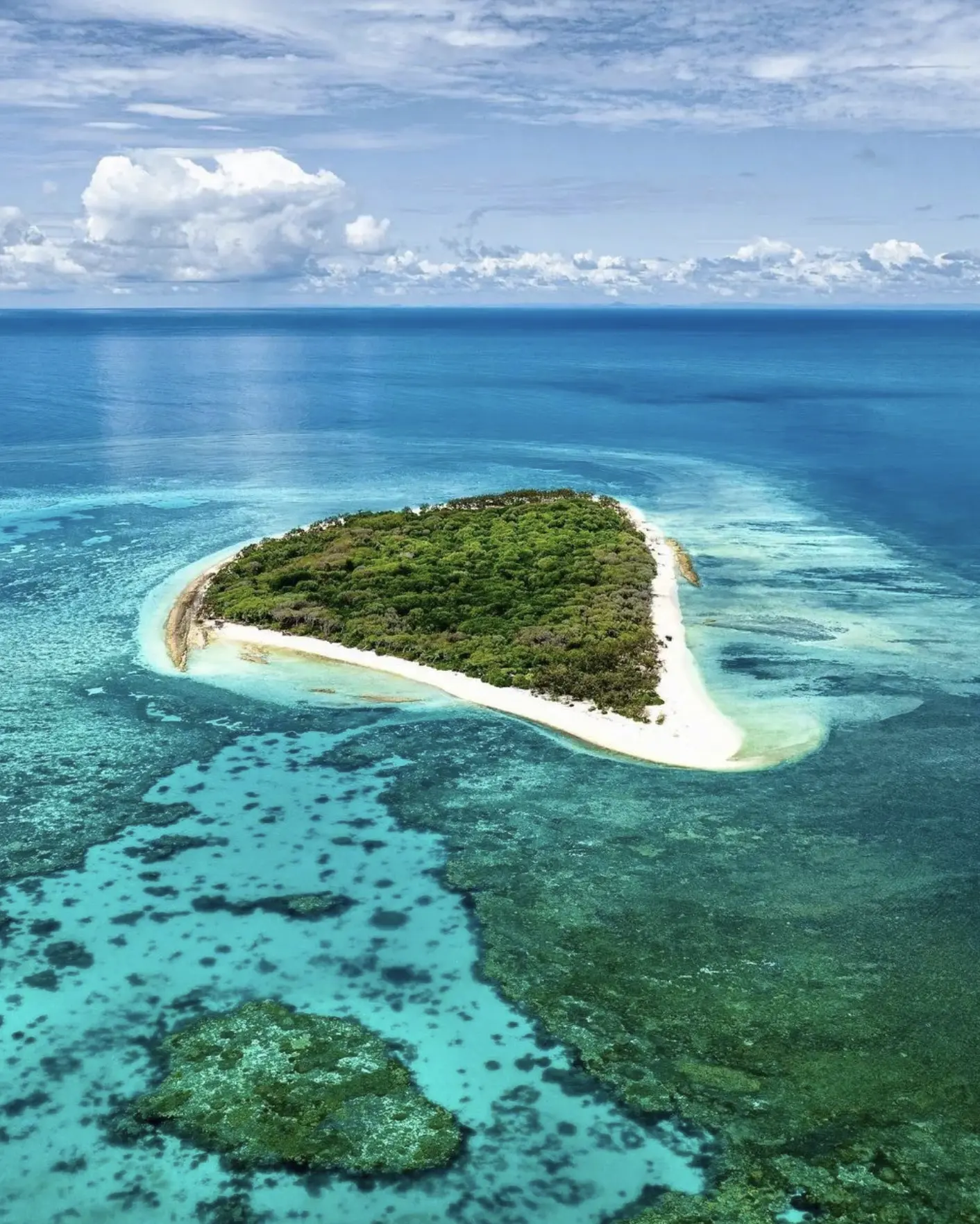
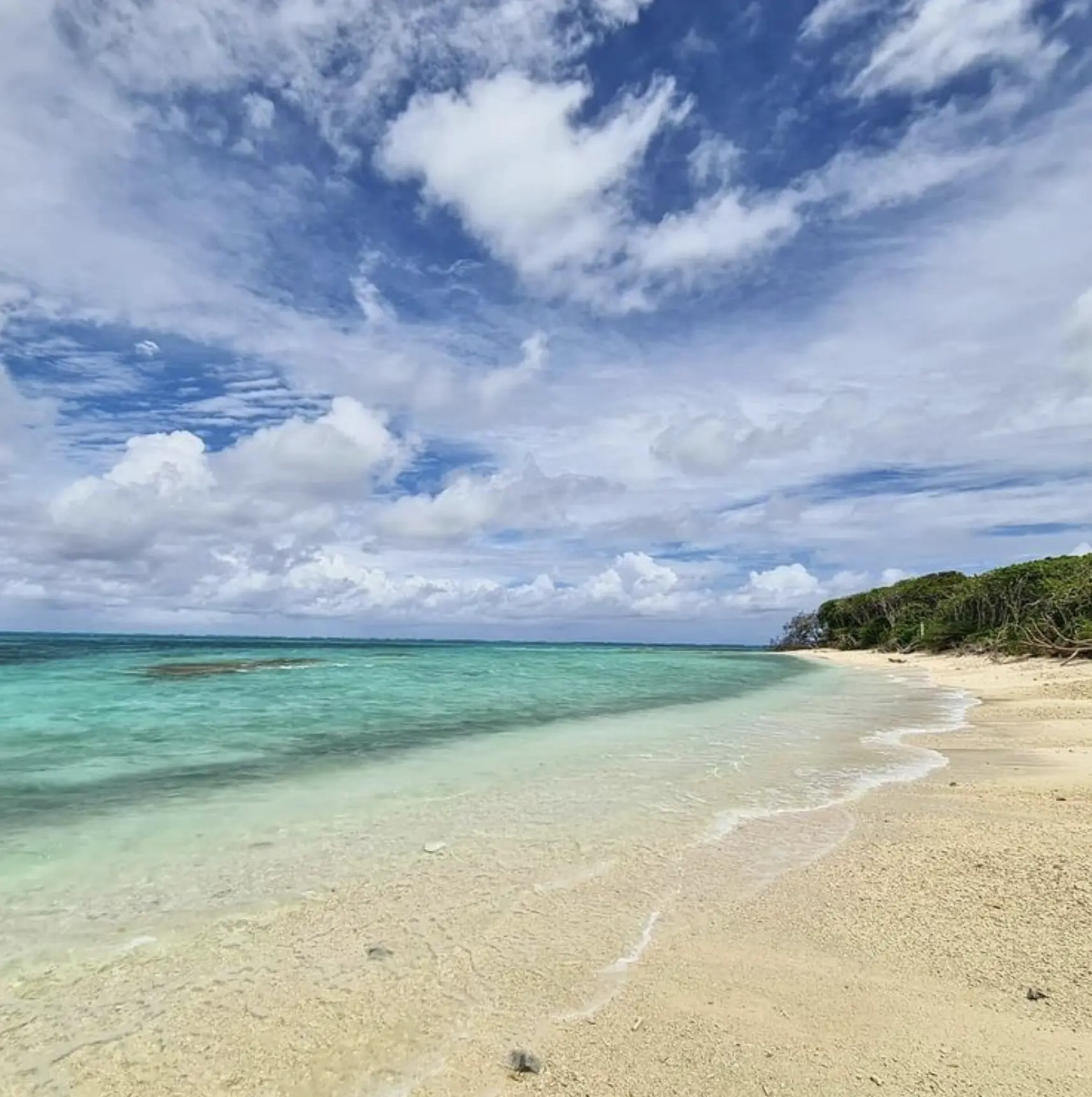
As Oleksandr Honcharenko, I’ve noticed that many travellers arrive expecting a classic tropical island with long white beaches. Lady Musgrave is something quite different. The small coral cay is simply the gateway to the surrounding reef ecosystem, and once you understand that, the destination makes far more sense.
Is It Worth the Trip?
For most Great Barrier Reef lovers, absolutely.
I’d recommend Lady Musgrave to snorkellers, wildlife enthusiasts, photographers and anyone seeking a less commercial reef experience. Its greatest strengths are its marine biodiversity, varied habitats and the feeling of visiting a place where nature still dominates.
It won’t suit everyone. Travellers prioritising luxury accommodation, easy shore snorkelling or a quick excursion from Cairns will find better options elsewhere. Every visit involves a substantial offshore boat journey, while facilities on the island itself are extremely limited.
Most disappointments don’t stem from the destination—they come from mismatched expectations. Lady Musgrave is a reef experience first and an island experience second.
What Makes This Coral Cay Different?
Lady Musgrave stands out because of its unusual reef geography rather than its beaches.
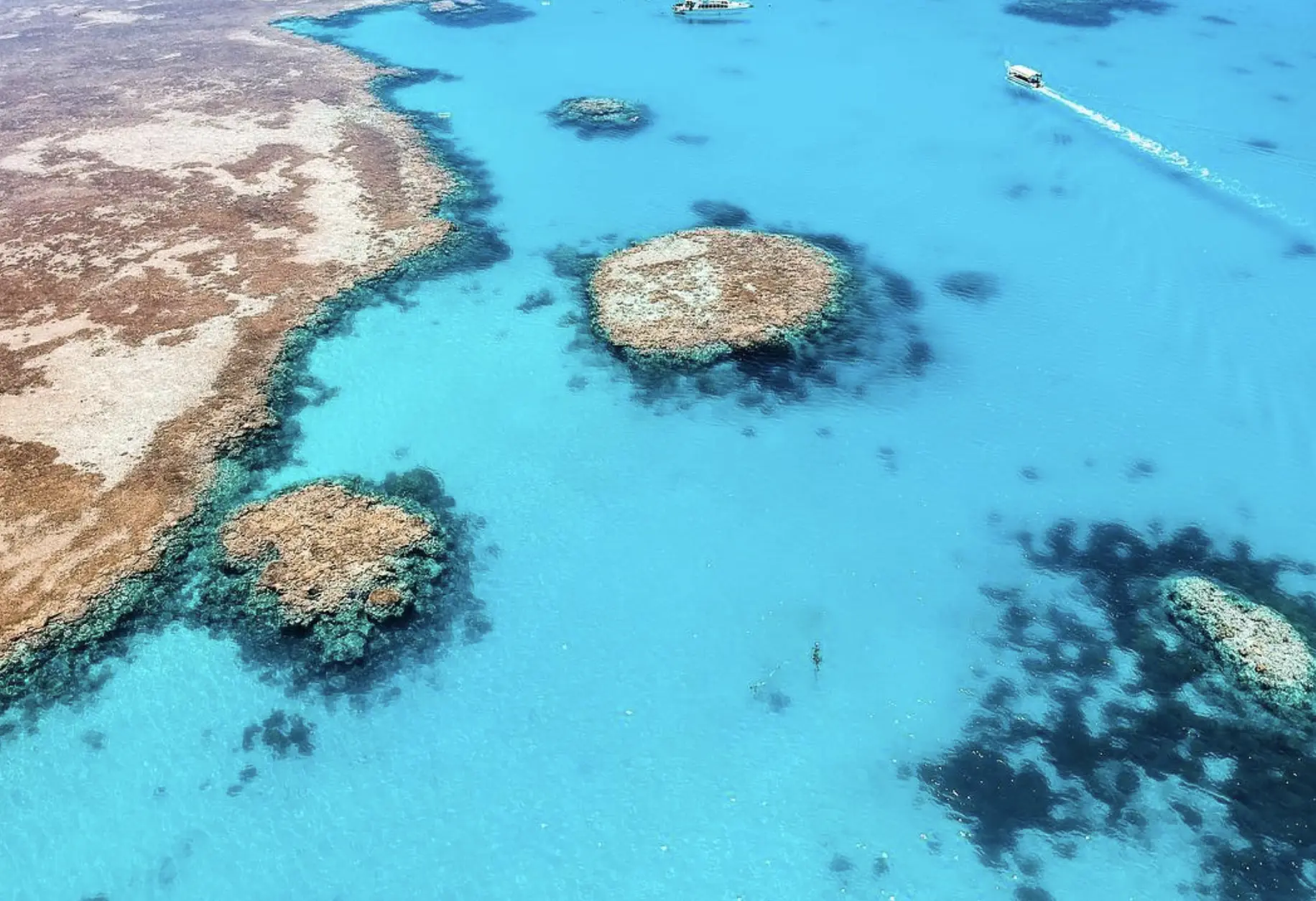
The coral cay sits on the southern edge of a large platform reef within the Capricorn-Bunker Group. Surrounding it is an expansive lagoon enclosed by the reef, creating a mosaic of shallow reef flats, coral bommies, sandy patches and deeper channels within one interconnected ecosystem.
Instead of spending the day at one snorkelling site, you’ll encounter several distinct reef environments during the same visit.
Why the Lagoon Matters
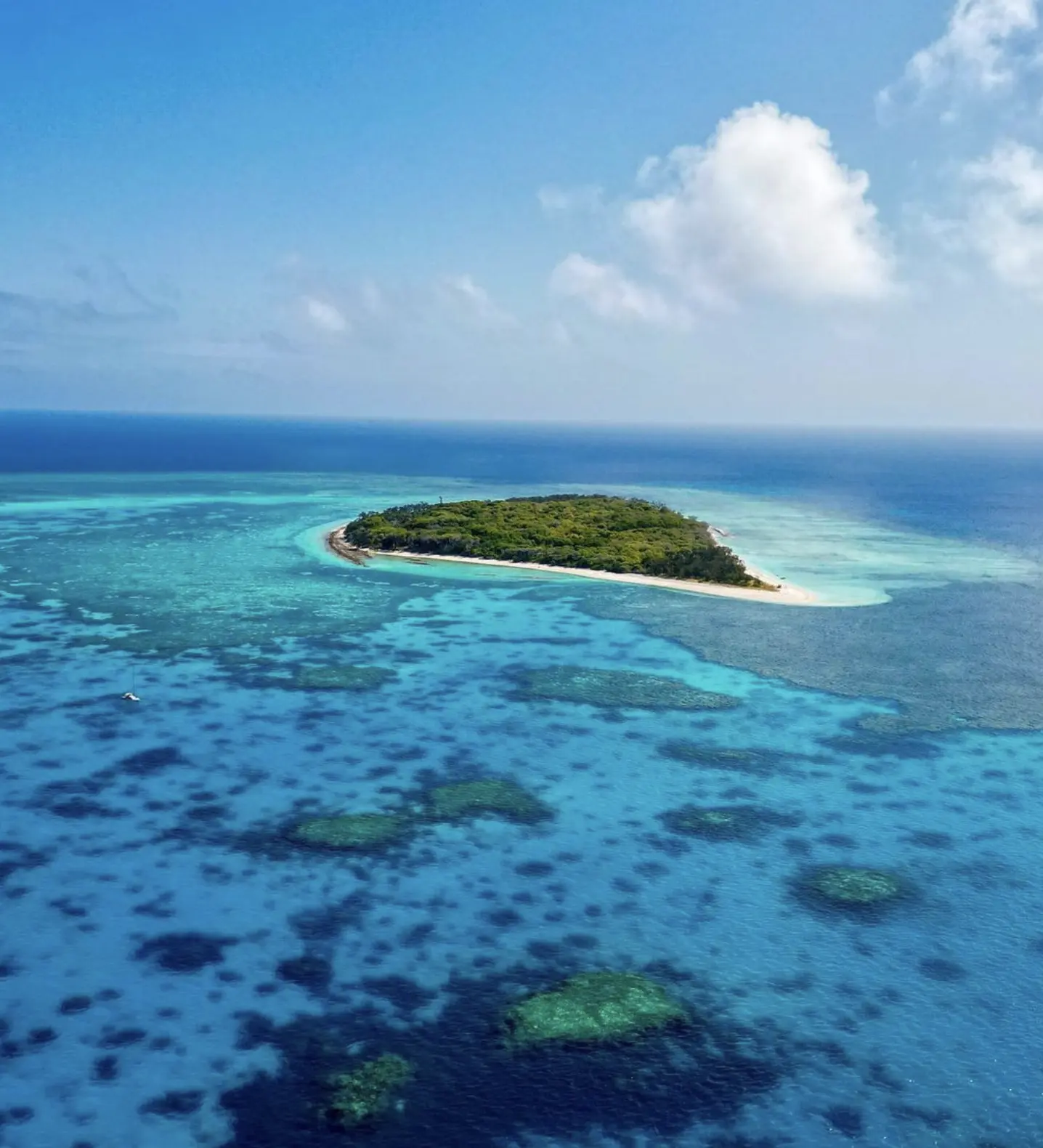
Describing the lagoon as protected only tells part of the story.
The surrounding reef absorbs much of the incoming ocean swell before it reaches the lagoon, so conditions are often calmer than along exposed reef edges. Wind and tides still influence visibility and surface conditions, but the lagoon generally provides a more forgiving environment for beginners while supporting turtles, juvenile fish and larger reef species moving through its deeper channels.
The result isn’t perfectly flat water every day, but a sheltered reef system that balances accessibility with impressive marine diversity.
Why the Southern Reef Feels Quieter
The Great Barrier Reef region isn’t the same everywhere.
Compared with the more heavily visited reefs around Cairns, this part of the Southern Reef feels quieter, less developed and more remote. Crowded pontoons and extensive tourism infrastructure give way to an experience centred on the natural marine environment.
That doesn’t make it objectively better—it appeals to travellers looking for a slower, more immersive reef experience. One of the first things many visitors notice is that Lady Musgrave feels more like a marine national park than a tropical island resort.
What Is the Underwater Experience Like?
Snorkelling is the main reason to visit, and in suitable conditions Lady Musgrave offers one of the stronger underwater experiences in southern Queensland.
The lagoon supports coral gardens, reef flats and isolated bommies that attract turtles, rays and hundreds of reef fish species. Its varied depths make it appealing to beginners looking for calmer water and experienced snorkellers wanting to explore more complex habitats.
No reef delivers perfect conditions every day. Coral communities change over time, while visibility depends on wind, swell, tides and recent weather rather than the season alone. Healthy coral is only one part of the experience; water clarity, marine activity, current and time spent in the water are just as important.
If your priority is dramatic reef walls and exposed offshore coral, an Outer Reef cruise is likely to be the better choice. If you’re looking for a balanced day combining lagoon snorkelling, wildlife, island scenery and generally calmer conditions, Lady Musgrave has the advantage.
Many first-time visitors are surprised to discover that some of the best turtle encounters happen over shallow lagoon bommies rather than the deepest sections of the reef.
Which Marine Animals Might You See?
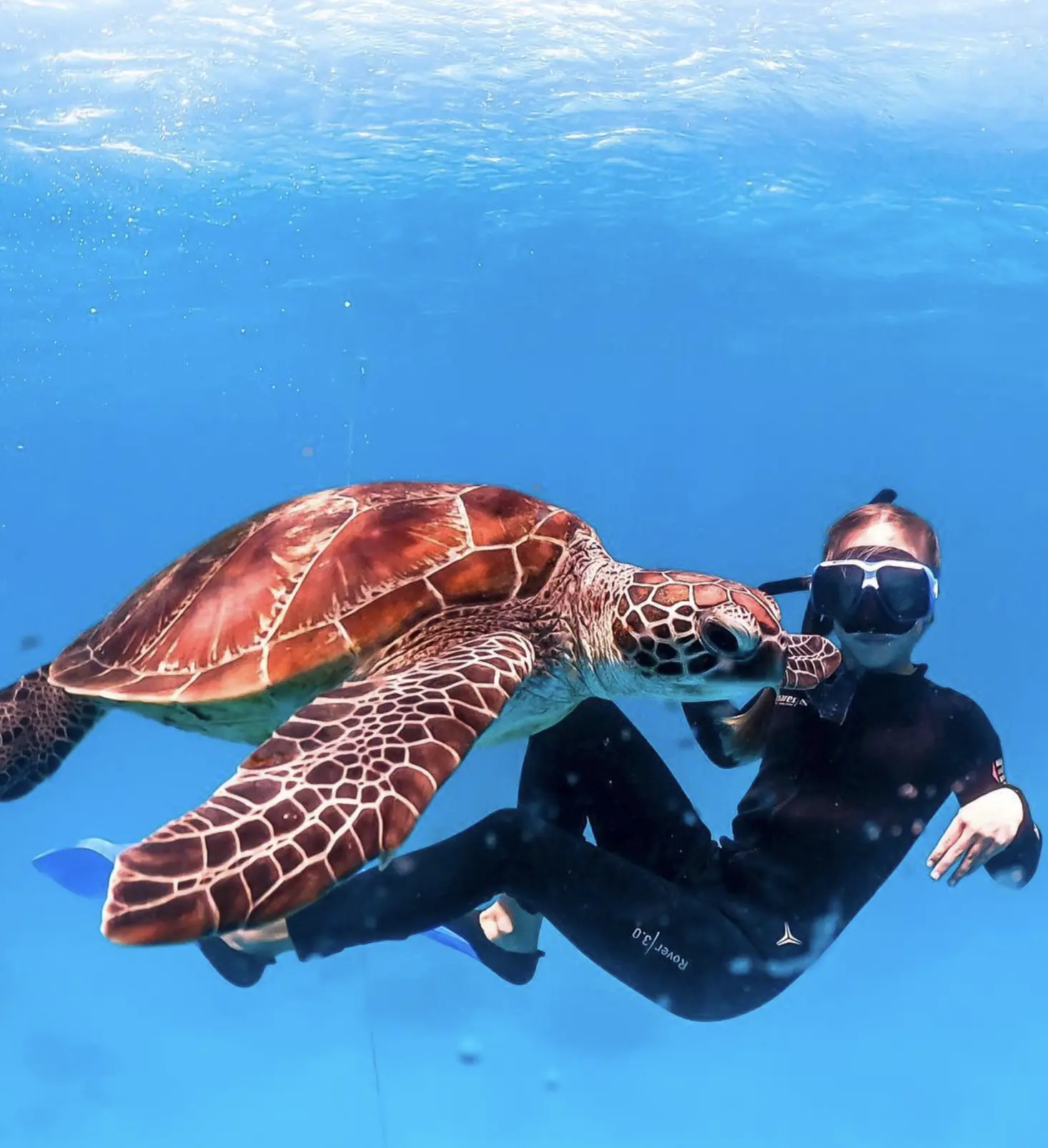
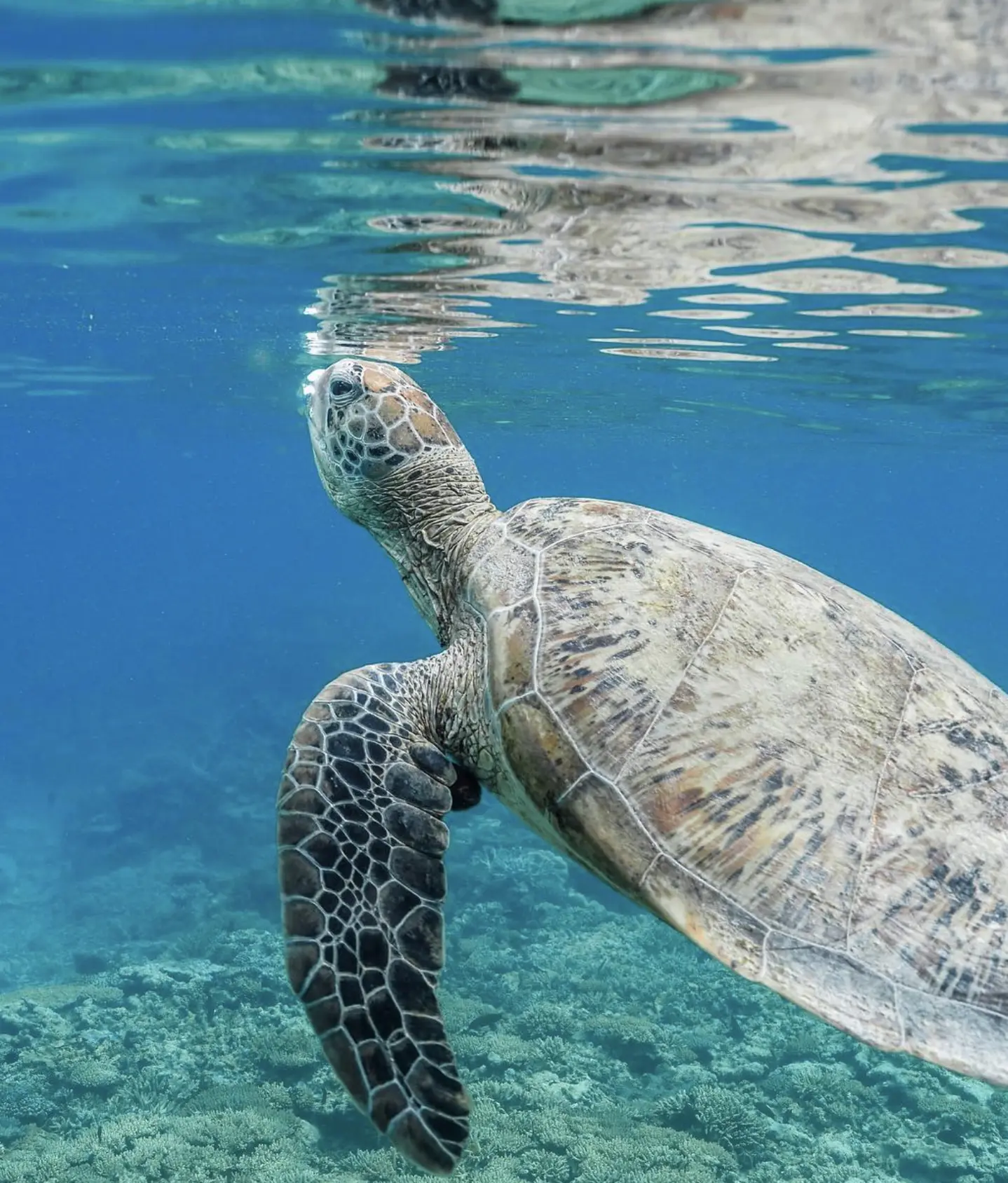
Green turtles are the species you’re most likely to encounter, feeding around reef flats and algae-covered coral throughout the lagoon. Loggerhead turtles also occur in the region, although they’re encountered less predictably on standard snorkelling trips.
The reef is home to colourful tropical fish, giant clams, rays and reef sharks, while humpback whales and manta rays may appear seasonally.
Wildlife should always be treated as a possibility rather than a promise. Animal movements depend on tides, food availability and breeding behaviour—not tour schedules. Spending more time in the water across different tides and reef areas naturally improves your chances of memorable wildlife encounters.
That’s one reason overnight visitors often report better experiences than day-trippers. Multiple snorkelling sessions under changing light and tidal conditions create more opportunities.
How Coral, Wildlife and Visibility Interact
Visitors often ask whether Lady Musgrave has good coral, but coral quality alone doesn’t determine the experience.
Outstanding snorkelling relies on four elements working together: healthy coral, good underwater visibility, active marine life and enough time in the water. Remove any one factor and the experience changes noticeably.
After several calm days, visibility can be exceptional even if coral cover isn’t perfect. Conversely, strong winds may temporarily reduce underwater clarity despite healthy reef sections and abundant fish.
Judging the destination by coral alone overlooks the way these changing environmental conditions combine to shape what you’ll actually experience.
How Do You Get There?
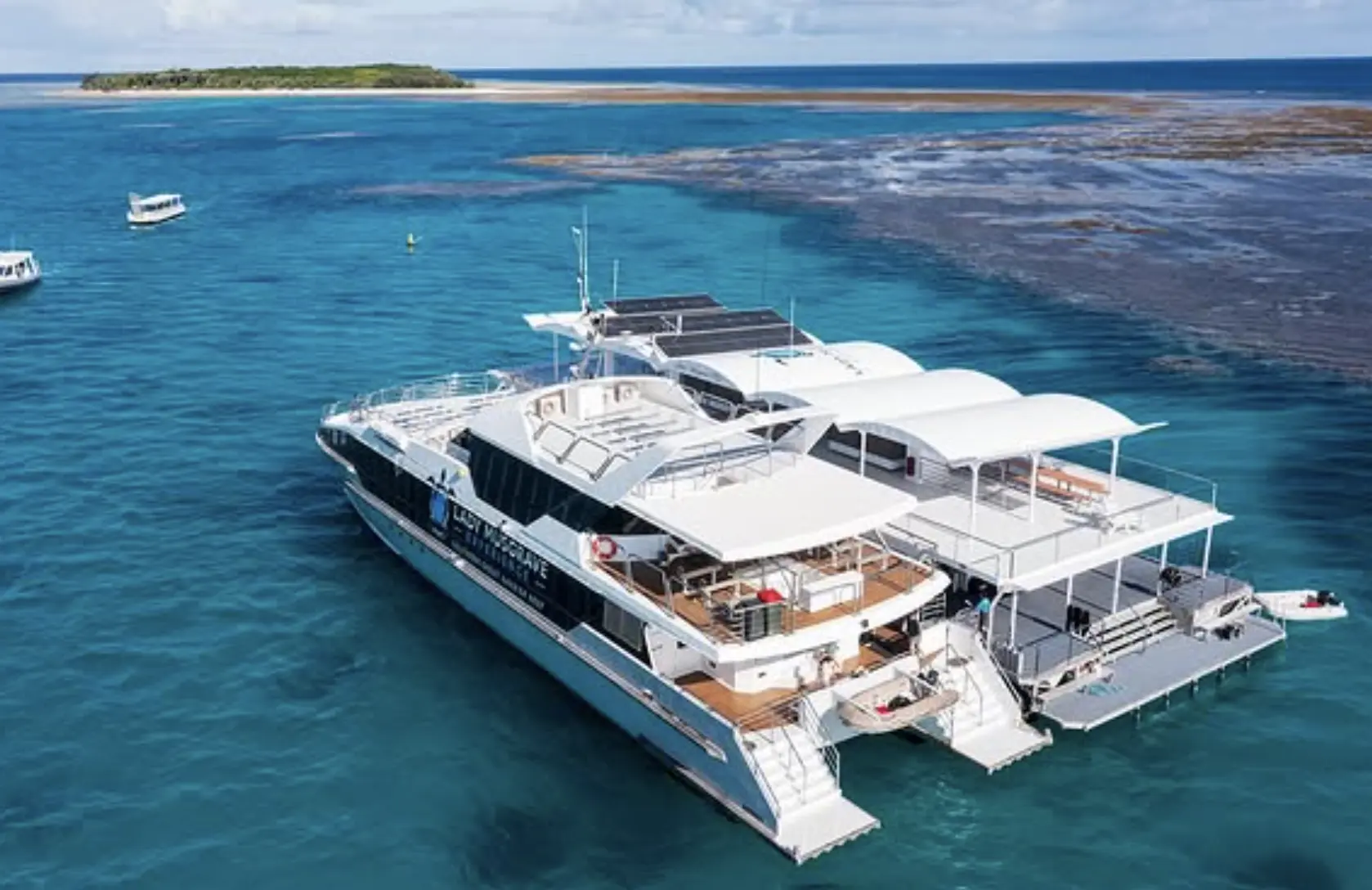
Getting to Lady Musgrave is part of the adventure. Unlike reef islands close to Cairns, every visit involves a genuine offshore journey, and your choice of operator can influence the day almost as much as the destination itself.
Most tours depart from the Town of 1770 or Bundaberg, while experienced boat owners can also visit privately in suitable conditions.
The Town of 1770 generally offers the shorter crossing of around 90 minutes each way, although departure times may vary with the tides. Services from Bundaberg usually involve a longer journey of approximately 2 hours and 15 minutes but may include pontoon facilities and overnight experiences. Travelling independently provides greater flexibility but requires suitable weather, navigation experience, permits and complete self-sufficiency.
Rather than comparing ticket prices alone, examine actual time on the reef, the number of snorkelling sessions, guided activities, pontoon access and onboard facilities. Two tours with similar prices can deliver very different visitor experiences.
Entering the lagoon through the reef’s natural navigable opening is one of the journey’s highlights, providing a clear appreciation of how the surrounding reef shelters the calm inner waters.
Who Is This Experience Best For?
Lady Musgrave rewards travellers who value nature over convenience. Rather than appealing to everyone, it suits people who want to spend their day actively exploring the reef instead of relaxing at a resort.
| Traveller | Should You Choose Lady Musgrave? | Why? |
|---|---|---|
| First-time Great Barrier Reef visitor | Yes | Good introduction to reef, lagoon and island scenery |
| Beginner snorkeller | Usually | Sheltered lagoon can provide easier conditions |
| Experienced snorkeller | Yes | Varied reef habitats and marine life |
| Certified diver | Yes | Access to Southern Reef dive environments |
| Wildlife enthusiast | Yes | Strong turtle and reef-life potential |
| Photographer | Yes | Lagoon colours and underwater subjects |
| Family with young children | Depends | Long boat crossing may be difficult |
| Non-swimmer | Maybe | Glass-bottom boats help, but much of the value is underwater |
| Luxury traveller | Probably not | Very limited land-based facilities |
| Traveller prone to seasickness | Consider alternatives | Long offshore crossing is unavoidable |
If you’re happiest spending hours in the water looking for turtles and exploring underwater coral gardens, Lady Musgrave is likely to exceed expectations. Travellers seeking cafés, swimming pools and resort accommodation will usually be happier on a developed Whitsunday island or another resort-based reef destination.
Can You Stay Overnight?
Most visitors experience Lady Musgrave on a day trip, but staying overnight changes the pace completely.
Instead of relying on a single session, you have several opportunities to enter the water under different tides, weather and light conditions. Early morning and late afternoon are often quieter than the middle of the day, improving both wildlife observation and underwater photography.
For many travellers, an additional snorkelling session adds more value than upgrading to a more expensive day tour.
What Is Camping Really Like?
Camping on Lady Musgrave Island is one of the most immersive ways to experience this section of the reef.
The campsite, managed by Queensland Parks, provides only basic facilities, so you’ll need to bring your own food, drinking water and camping equipment. Because weather can delay boat transfers, it’s wise to carry additional emergency supplies in case your return is postponed.
Camping shouldn’t be viewed simply as the budget option. Its real advantage is additional time on the reef—more opportunities to snorkel under different conditions, experience changing tides and enjoy the island after the day boats have departed.
When Should You Visit?
There’s no single best time to visit Lady Musgrave. The ideal season depends on the experience you’re looking for.
Summer brings warm water and turtle nesting activity but also higher humidity, storms and cyclone risk. Autumn often offers warm water with more comfortable conditions, although the weather remains variable. Winter is known for mild daytime temperatures and the possibility of seeing migrating humpback whales, while spring combines warming water with increasing turtle activity.
Whatever the month, recent weather patterns usually have a greater influence on visibility than the calendar itself. A few calm days can produce excellent underwater clarity, while strong winds may reduce visibility at any time of year.
How Weather Affects Conditions
Although the surrounding reef shelters the lagoon from much of the ocean swell, local weather conditions continue to shape the experience above and below the surface.
Wind, tides and currents influence visibility, water movement and animal behaviour. Reef fish often become more active where currents bring food, while turtles adjust their feeding patterns according to tidal movement and habitat.
Rather than expecting identical conditions every day, think of Lady Musgrave as a living reef ecosystem that changes continuously. That’s one reason many experienced snorkellers return more than once.


Before You Book
A little preparation goes a long way.
Compare operators by actual snorkelling time rather than ticket price alone, as similar tours can provide very different amounts of time on the reef. Check the marine weather forecast a few days before departure, and if you’re prone to seasickness, take appropriate preventive medication before boarding rather than waiting until the journey is underway.
Pack reef-safe sunscreen, a hat and sun-protective clothing, as UV exposure on the water is considerably stronger than many visitors expect. If marine wildlife is your priority, consider an overnight stay. More time across different tides and light conditions generally means more opportunities for rewarding encounters.
Common Mistakes to Avoid
Most disappointments stem from unrealistic visitor expectations rather than the destination itself.
The biggest mistake is treating Lady Musgrave as a resort island. It’s a remote and minimally developed coral cay where the reef—not beaches, cafés or hotel facilities—is the main attraction.
Another common mistake is choosing a tour purely because it advertises turtles. Sightings are reasonably common, but they always depend on natural feeding patterns, tides and other environmental conditions.
Travellers also tend to assume every operator provides the same experience. In reality, crossing time, pontoon access, guided snorkelling, meals and the amount of time available on the reef can vary considerably.
Finally, don’t rely solely on seasonal climate charts. A calm day outside the traditional peak season can easily provide better snorkelling than a windy day during the most popular months.

Final Verdict
Lady Musgrave Island is best suited to travellers who value marine exploration and natural surroundings over resort comfort.
Its greatest strength is the combination of a remote coral cay, sheltered inner lagoon and diverse reef habitats within a single destination. Few places in this part of Queensland offer the same balance of accessible snorkelling, abundant wildlife and an authentic sense of remoteness.
Choose Hamilton Island or another Whitsundays resort if your priority is extensive facilities and an easy beach holiday. Choose Lady Elliot Island for repeated shore snorkelling and a multi-night eco-resort stay. If you’re looking for a quieter boat-based reef adventure with a stronger sense of remoteness, I’d recommend exploring the available Great Barrier Reef Tours options to find the experience that best matches your travel style.
FAQ
Is It Suitable for Non-Swimmers?
Yes, although non-swimmers experience only part of what makes Lady Musgrave special. Glass-bottom boat tours and guided island walks provide worthwhile alternatives, but snorkelling remains the centrepiece of the experience.
Can You See Turtles Year-Round?
Green turtles are present throughout the year, although sightings are never guaranteed. Turtle nesting and hatching occur seasonally, so visitors hoping to witness these events should plan specifically around the appropriate time of year.
How Does It Compare with Lady Elliot?
Lady Musgrave is better suited to lagoon-based activities, camping and boat-based day trips, while Lady Elliot excels in shore-accessible snorkelling, eco-resort accommodation and longer stays. The better choice depends on your budget, travel style and preferred type of reef experience.
Is Camping Available?
Yes. Camping is available with a Queensland Parks permit, but facilities are basic. Campers must organise boat transfers separately and bring their own provisions, making the experience best suited to experienced, self-sufficient travellers.
How Rough Is the Crossing?
Conditions depend entirely on wind and swell. The open-water crossing can become rough before the vessel enters the sheltered lagoon, so travellers prone to motion sickness should prepare before departure and, where possible, choose a period of calm marine weather.